The largest study of AI use by undergrads is in, revealing disparities in access — and in cheating
A comprehensive study on AI use among undergraduates reveals significant disparities in access and instances of cheating. Conducted by researchers from UC Berkeley and other institutions, the study surveyed over 95,000 students across 20 universities. Findings indicate that while many students use AI tools, those from lower-income and underrepresented backgrounds are less likely to do so, potentially impacting their future career opportunities.
- ▪The study involved over 95,000 students from 20 research-intensive public universities.
- ▪About two-thirds of respondents reported using generative AI, with 9% admitting to using it for cheating.
- ▪There is a notable disparity in AI usage among different demographic groups, with low-income and underrepresented students using it less.
Opening excerpt (first ~120 words) tap to expand
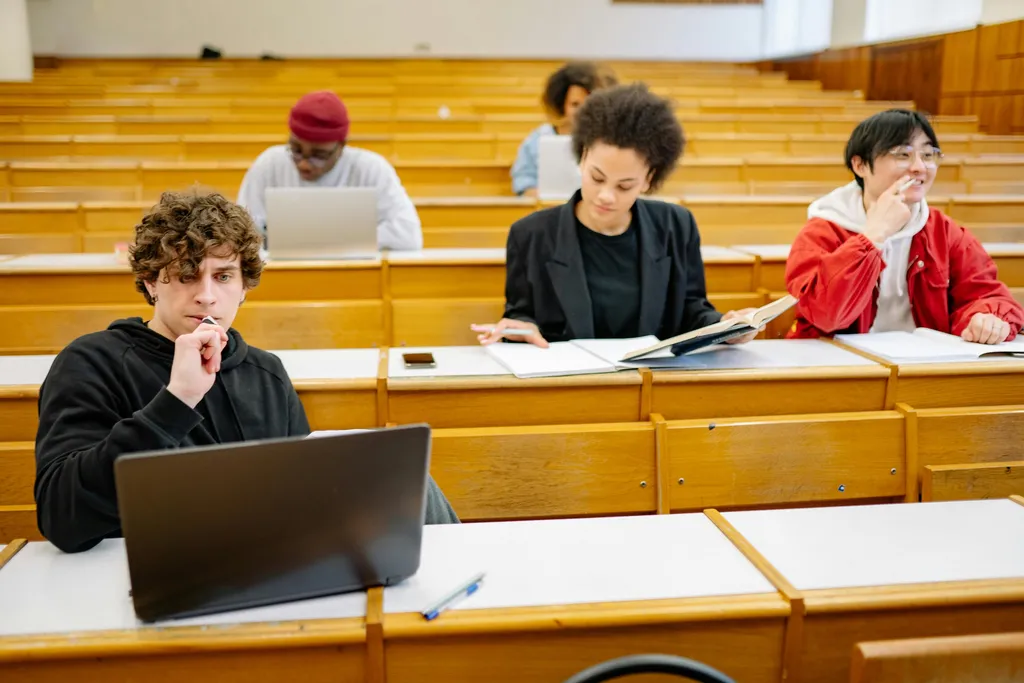
Campus news The largest study of AI use by undergrads is in, revealing disparities in access — and in cheating Researchers found that how student use, and misuse, AI varies by subject and by socioeconomics. By Maya L. Kapoor According to survey results using AI is a slippery slope for undergraduates. The more they use it, the more likely they are to cheat with it. But AI proficiency also may be important for career development. Yan KruKrau via Pexels May 21, 2026 In a world where AI can generate research papers, solve equations or create art, educators worry about how college students may be using it, misusing it or missing out on it. Yet there have been few comprehensive studies of college students and their AI use.
…
Excerpt limited to ~120 words for fair-use compliance. The full article is at Berkeley News.
Discussion
0 commentsMore from Berkeley News