Stunning 150-million-year-old stegosaur skull rewrites dinosaur evolution
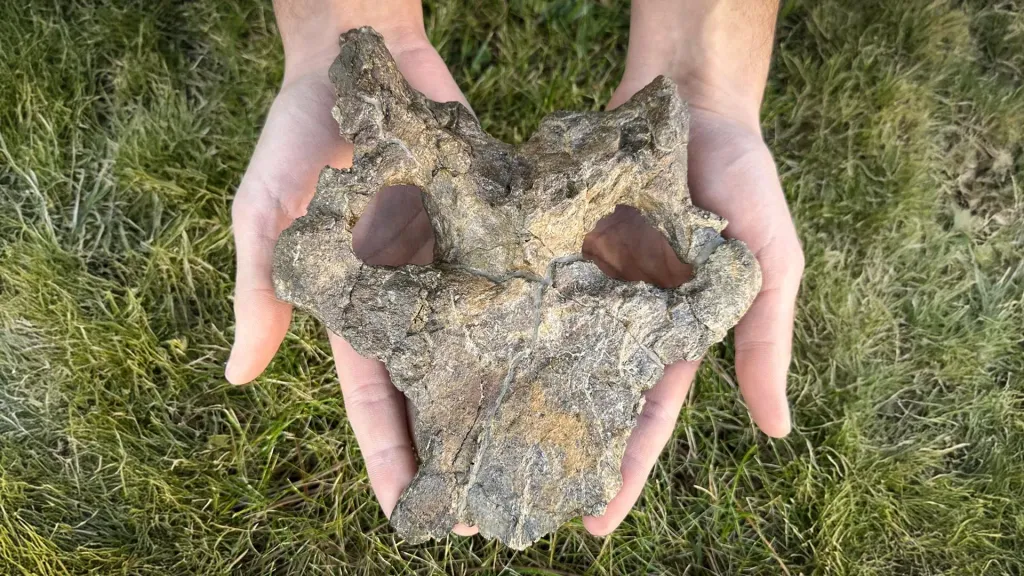
Paleontologists in Spain have discovered the best-preserved stegosaur skull ever found in Europe, belonging to Dacentrurus armatus and dating back 150 million years. The rare fossil is providing new insights into stegosaur anatomy and evolutionary history due to the typically fragile nature of dinosaur skulls. Researchers have also proposed a new evolutionary group, Neostegosauria, which could reshape understanding of how stegosaurs spread across continents.
- ▪The fossil was discovered at the 'Están de Colón' site in Riodeva, Teruel, Spain, within the Villar del Arzobispo Formation.
- ▪Scientists identified the specimen as Dacentrurus armatus, a well-known European stegosaur that lived during the Late Jurassic period.
- ▪The study introduces a new evolutionary group called Neostegosauria, encompassing stegosaurs from Africa, Europe, North America, and Asia.
- ▪Researchers emphasize that the Riodeva site continues to yield significant fossils, including juvenile stegosaur remains, which are rare.
- ▪The findings were published in the scientific journal Vertebrate Zoology by the Fundación Conjunto Paleontológico de Teruel-Dinópolis.
Opening excerpt (first ~120 words) tap to expand
Science News from research organizations Stunning 150-million-year-old stegosaur skull rewrites dinosaur evolution Date: May 17, 2026 Source: Pensoft Publishers Summary: A spectacular dinosaur discovery in Spain is giving scientists a rare new look inside the world of stegosaurs. Paleontologists uncovered the best-preserved stegosaur skull ever found in Europe, belonging to the iconic plated dinosaur Dacentrurus armatus, which roamed Earth around 150 million years ago. Because stegosaur skulls are extremely fragile and almost never survive intact, the fossil is helping researchers uncover previously unknown details about how these armored giants evolved.
…
Excerpt limited to ~120 words for fair-use compliance. The full article is at ScienceDaily.
Discussion
0 commentsMore from ScienceDaily