Stanford quantum computing breakthrough uses twisted light to work without extreme cooling
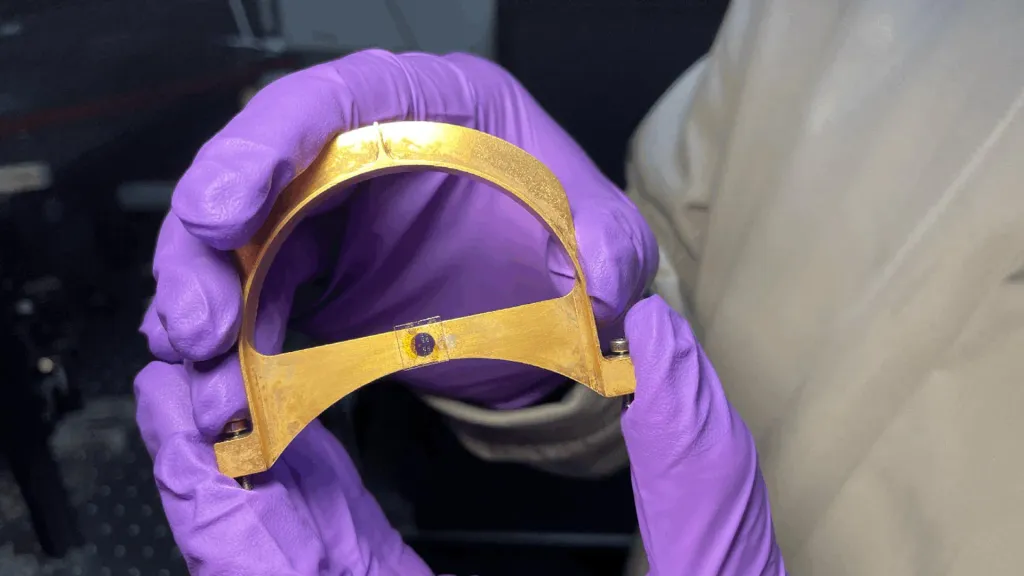
Stanford researchers have developed a room-temperature quantum device that utilizes twisted light to entangle photons and electrons. This breakthrough could lead to smaller and more affordable quantum technologies, enabling advancements in secure communications and computing. The device overcomes the need for extreme cooling, addressing a significant challenge in the field of quantum technology.
- ▪The new device operates at room temperature, eliminating the need for extreme cooling.
- ▪It uses twisted light to create entanglement between photons and electrons, essential for quantum communication.
- ▪The compact design of the device is relatively inexpensive compared to current quantum systems.
Opening excerpt (first ~120 words) tap to expand
Science News from research organizations Stanford quantum computing breakthrough uses twisted light to work without extreme cooling Date: May 30, 2026 Source: Stanford University Summary: A new room-temperature quantum device uses twisted light to entangle photons and electrons, overcoming one of the biggest hurdles in quantum technology. The breakthrough could pave the way for smaller, cheaper quantum systems with applications ranging from secure communications to future AI and computing platforms. Share: Facebook Twitter Pinterest LinkedIN Email FULL STORY Scientists have taken a major step toward practical quantum technology with a tiny room-temperature device that uses twisted light to link photons and electrons.
…
Excerpt limited to ~120 words for fair-use compliance. The full article is at ScienceDaily.
Discussion
0 commentsMore from ScienceDaily