Scientists discover hidden liver switch that cuts harmful cholesterol
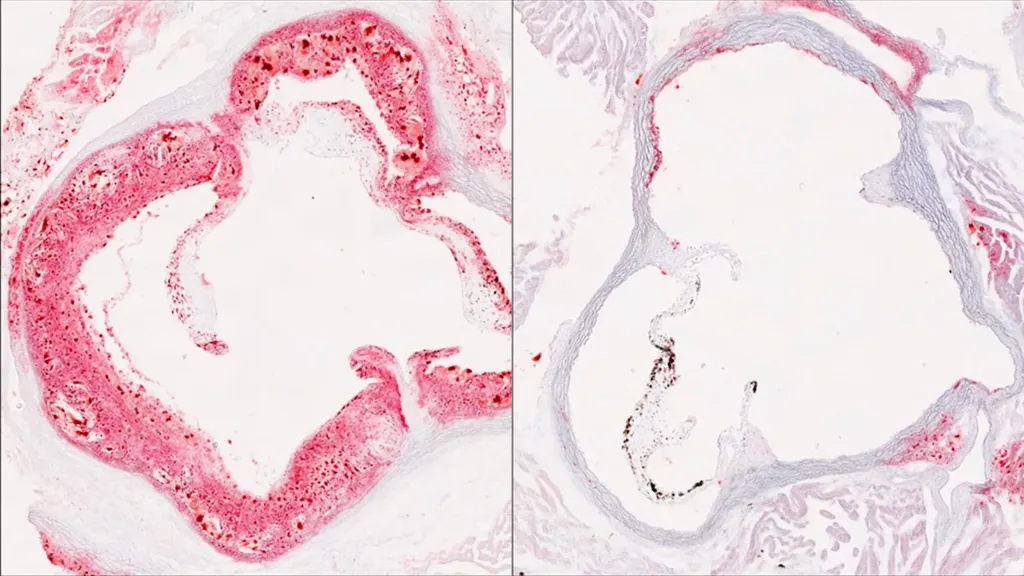
Researchers at UT Southwestern have discovered a protein called HELZ2 that regulates cholesterol production in the liver. This protein controls the lifespan of apolipoprotein B (APOB) messenger RNA, which is crucial for forming cholesterol-carrying lipoproteins. The findings could lead to new treatments for heart disease by targeting cholesterol production at the genetic level.
- ▪HELZ2 acts as a master switch for cholesterol regulation in the liver.
- ▪The protein reduces the stability of APOB mRNA, leading to lower production of cholesterol-carrying lipoproteins.
- ▪Mice with the HELZ2 mutation showed lower blood cholesterol but increased liver fat.
Opening excerpt (first ~120 words) tap to expand
Science News from research organizations Scientists discover hidden liver switch that cuts harmful cholesterol Date: May 24, 2026 Source: UT Southwestern Medical Center Summary: Scientists at UT Southwestern have uncovered a surprising new “master switch” that helps control how much cholesterol the liver sends into the bloodstream. The newly identified protein, HELZ2, works by shutting down the genetic instructions needed to produce apoB — a key building block of the cholesterol-carrying particles linked to clogged arteries and heart disease.
…
Excerpt limited to ~120 words for fair-use compliance. The full article is at ScienceDaily.
Discussion
0 commentsMore from ScienceDaily