Research roundup: 6 cool science stories we almost missed
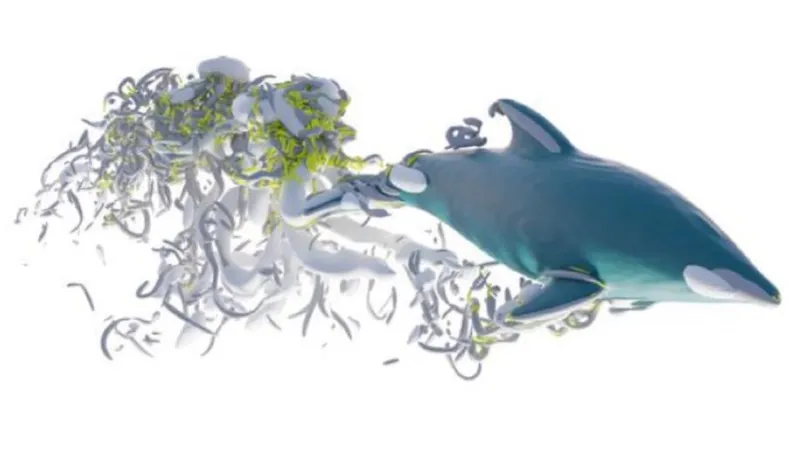
Scientists used supercomputer simulations to uncover how dolphins generate thrust through large vortices created by tail movements, with smaller vortices being byproducts. Researchers analyzed ancient shipwreck coatings to trace Roman vessel repairs across the Adriatic using pollen and molecular data. Physicists studied the mechanics of crushing soda cans, finding liquid-filled cans resist collapse longer due to incompressibility of fluids.
- ▪Japanese scientists found that large vortices generated by dolphin tail movements are primarily responsible for propulsion, while smaller vortices are byproducts of turbulence.
- ▪Analysis of pollen and molecular composition in shipwreck coatings revealed that the Roman ship Ilovik–Paržine 1 underwent repairs in multiple Adriatic regions.
- ▪Liquid-filled soda cans resist crushing longer than empty ones because liquids are nearly incompressible, distributing pressure more evenly.
- ▪The study on dolphin swimming may inform the design of more efficient underwater robots.
- ▪Researchers used mass spectrometry to identify pine resin, tar, and a Greek-specific mixture called zopissa in ancient ship coatings.
Opening excerpt (first ~120 words) tap to expand
the best of the rest Research roundup: 6 cool science stories we almost missed Crushing soda cans for science, why dolphins swim so fast, how urine helps mushrooms communicate, and more Jennifer Ouellette – May 2, 2026 10:23 am | 12 Credit: Yutaro Motoori Credit: Yutaro Motoori Text settings Story text Size Small Standard Large Width * Standard Wide Links Standard Orange * Subscribers only Learn more Minimize to nav It’s a regrettable reality that there is never enough time to cover all the interesting scientific stories we come across. So every month, we highlight a handful of the best stories that nearly slipped through the cracks.
…
Excerpt limited to ~120 words for fair-use compliance. The full article is at Ars Technica - All content.
Discussion
0 commentsMore from Ars Technica - All content