Man dies covered in necrotic lesions after amoebas eat him alive
A 78-year-old man died after developing widespread necrotic lesions caused by a rare Acanthamoeba infection, despite not having typical risk factors like immunosuppression. Doctors initially misdiagnosed the condition as an autoimmune response and treated him with immunosuppressants, which likely worsened the infection. The case, reported in Emerging Infectious Diseases, highlights the challenges in diagnosing and treating such rare amoebic infections.
- ▪The man developed black lesions and deep ulcers over six months, starting on his legs and spreading to other parts of his body.
- ▪He used sinus rinses for nasal polyps, a known risk factor for Acanthamoeba infection, though his symptoms began on his skin rather than in his sinuses.
- ▪Doctors at Yale identified Acanthamoeba through biopsy and DNA testing, but the patient deteriorated despite aggressive treatment, including an experimental antibiotic.
- ▪The man had no typical risk factors for severe Acanthamoeba infection, such as HIV, cancer, or diabetes, but did use dupilumab for asthma, which may have affected his immune response.
- ▪Acanthamoeba is commonly found in tap water and usually causes infections in immunocompromised individuals, most often leading to eye or brain infections.
Opening excerpt (first ~120 words) tap to expand
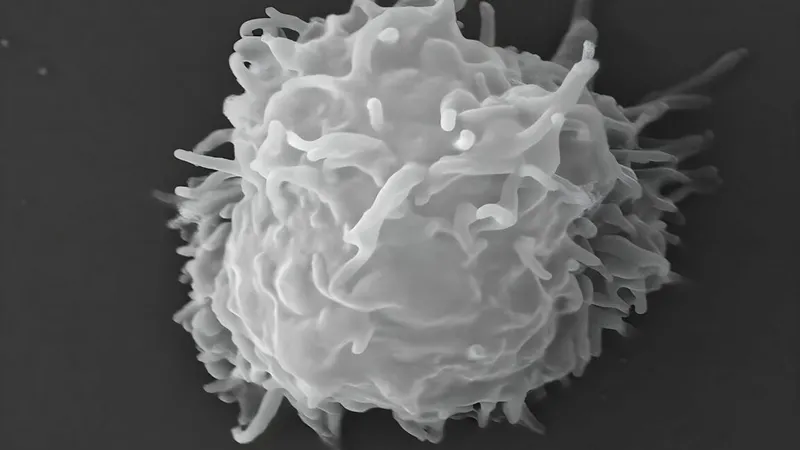
Tragic Man dies covered in necrotic lesions after amoebas eat him alive Doctors suspect three factors, each unremarkable on its own, contributed to his fate. Beth Mole – May 1, 2026 5:05 pm | 21 This scanning electron microscope (SEM) image revealed some of the ultrastructural features observed on the surface of a protozoan Acanthamoeba polyphaga. Credit: Getty | CDC This scanning electron microscope (SEM) image revealed some of the ultrastructural features observed on the surface of a protozoan Acanthamoeba polyphaga.
…
Excerpt limited to ~120 words for fair-use compliance. The full article is at Ars Technica - All content.
Discussion
0 commentsMore from Ars Technica - All content