Preeclampsia could be treated with 'blood filtering' therapy, early study hints
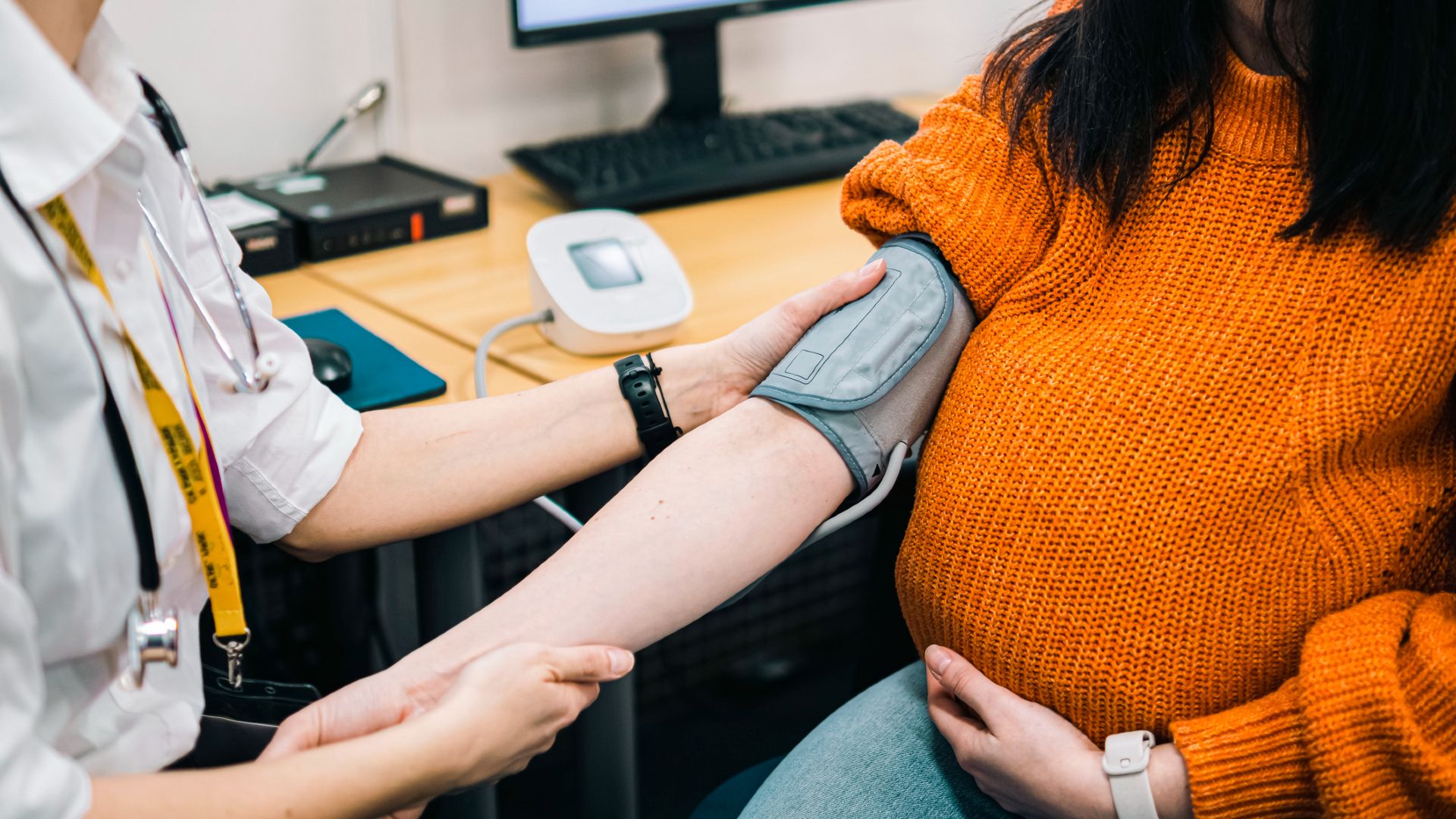
A pilot study suggests that a blood-filtering therapy targeting a placental protein called sFlt-1 is safe for pregnant individuals and their babies, offering a potential new treatment for preeclampsia. The technique, known as apheresis, reduced sFlt-1 levels in participants and may help prolong pregnancies affected by early-onset preeclampsia. While the study was not designed to confirm effectiveness, results hint at clinical benefits that warrant larger trials. Experts note the approach is promising but emphasize the complexity of preeclampsia and the need for further research.
- ▪The blood-filtering therapy, called apheresis, safely reduced levels of the protein sFlt-1 in pregnant patients with early-onset preeclampsia.
- ▪Participants who received the treatment carried their pregnancies for a median of 10 days after admission, compared to four days in an untreated group.
- ▪sFlt-1 is believed to contribute to preeclampsia by causing vascular damage when present in excessive amounts.
- ▪The study included 16 patients and was primarily designed to assess safety, not efficacy.
- ▪Researchers plan larger clinical trials to evaluate whether the therapy can effectively delay preterm birth in preeclampsia.
Opening excerpt (first ~120 words) tap to expand
Health Reproductive Health Preeclampsia could be treated with 'blood filtering' therapy, early study hints News By Lauren Schneider published 28 April 2026 A blood-filtering therapy for preeclampsia is safe for pregnant patients and their babies, according to a new pilot study. When you purchase through links on our site, we may earn an affiliate commission. Here’s how it works. Preeclampsia, a hypertensive condition that affects up to 8% of pregnancies, can be life-threatening for mothers and babies.
…
Excerpt limited to ~120 words for fair-use compliance. The full article is at Live Science.
Discussion
0 commentsMore from Live Science