Would you buy a ChatGPT-powered iPhone rival? OpenAI is reportedly developing a smartphone chip, which teases the possibility of a full-blown OpenAI mobile
OpenAI is reportedly developing a smartphone chipset in collaboration with MediaTek, Qualcomm, and Luxshare, hinting at a potential AI-first smartphone. The device, if released, would prioritize an agentic AI over traditional apps and could run a custom operating system. Analyst Ming-Chi Kuo suggests mass production may not begin until 2028. The concept remains speculative but could challenge existing smartphone models if realized.
- ▪OpenAI is working with MediaTek, Qualcomm, and Luxshare to develop smartphone chipsets.
- ▪The chipsets could power a future OpenAI-designed smartphone focused on agentic AI rather than apps.
- ▪Mass production of the chipsets is not expected before 2028, according to analyst Ming-Chi Kuo.
- ▪The potential phone might run a custom operating system with AI at its core, differing from iOS and Android.
- ▪OpenAI may bundle ChatGPT subscriptions with the device if it reaches the market.
Full article excerpt tap to expand
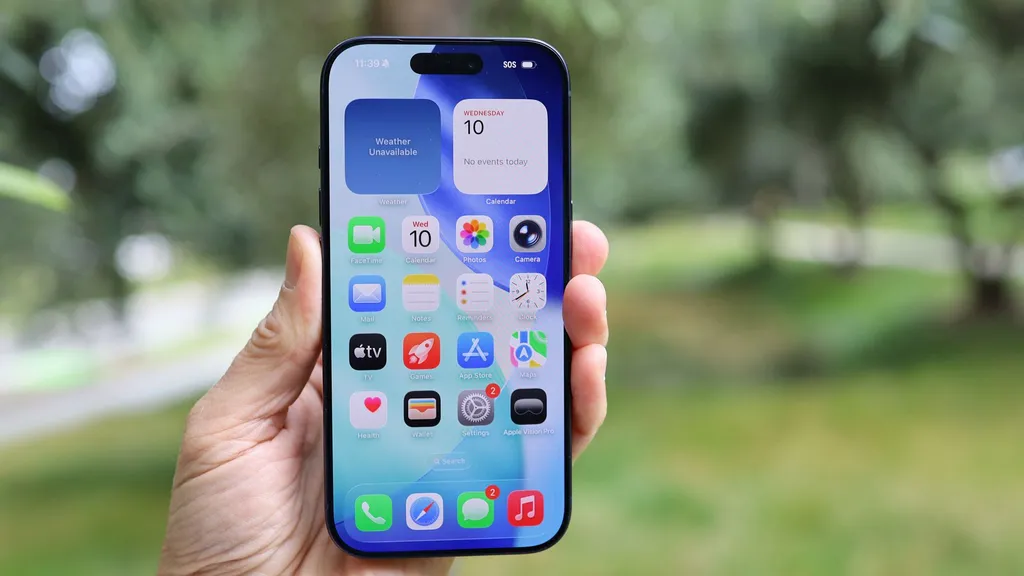
Phones Would you buy a ChatGPT-powered iPhone rival? OpenAI is reportedly developing a smartphone chip, which teases the possibility of a full-blown OpenAI mobile News By James Rogerson published 28 April 2026 Prioritizing AI over apps When you purchase through links on our site, we may earn an affiliate commission. Here’s how it works. The iPhone 17 Pro (Image credit: Lance Ulanoff / Future) Copy link Facebook X Whatsapp Reddit Pinterest Flipboard Threads Email Share this article 0 Join the conversation Follow us Add us as a preferred source on Google Newsletter Subscribe to our newsletter OpenAI is reportedly developing a smartphone chipset, which teases the possibility of a full-blown OpenAI-powered smartphoneIf it comes to fruition, it probably won't launch before 2028This chipset (or phone) could reduce the focus on apps and instead give you access to an agentic AIClaims that OpenAI is working on some consumer hardware are nothing new, but previously, it was thought that this hardware wouldn’t be a phone, but possibly smart glasses, a digital voice recorder, a wearable pin, or a smart speaker instead. Now, though, it seems OpenAI might be working on a mobile device after all — or at the very least, a mobile chipset.According to Ming-Chi Kuo — an analyst with a good track record — OpenAI is working with MediaTek and Qualcomm (and with Luxshare as a system co-design and manufacturing partner) to develop smartphone chipsets. Kuo supposes that this could lead to the development of a full-blown, OpenAI-designed smartphone.However, even if it does come to fruition, we might not see this phone for a while, as OpenAI's chipsets reportedly won’t be mass-produced until 2028.Article continues below You may like OpenAI's first ChatGPT gadget could be a smart speaker with a camera OpenAI reveals the next phase of AI OpenAI is making an all-in-one 'superapp' that combines Codex, ChatGPT, and Atlas browser for maximum productivity https://t.co/Qqi64OWBM3April 27, 2026The end of apps?As far-fetched as this rumor sounds, an OpenAI-powered phone could completely change the smartphone landscape, with a reliance on apps replaced by an agentic AI that can do things for you.In other words, this phone probably wouldn’t run Android, but rather an operating system of OpenAI’s own design that puts AI at the forefront. That could give it an advantage over the best iPhones and best Android phones, where AI is an addition rather than the focus.On the other hand, breaking into the smartphone market with a new operating system doesn’t sound easy, particularly when the world is so used to how phones work now. So, whether an OpenAI phone could become a mainstream device or end up as something niche remains to be seen.There are also questions around cost and capabilities that we don’t have even speculative answers to yet, though Kuo suggests that OpenAI might bundle ChatGPT subscriptions with the phone, if it does come to pass. window.sliceComponents = window.sliceComponents || {}; externalsScriptLoaded.then(() => { window.reliablePageLoad.then(() => { var componentContainer = document.querySelector("#slice-container-newsletterForm-articleInbodyContent-weknNCwzVWDre6Jcq3hUfQ"); if (componentContainer) { var data = {"layout":"inbodyContent","header":"Get daily insight, inspiration and deals in your inbox","tagline":"Sign up for breaking news, reviews, opinion, top tech deals, and more.","formFooterText":"By submitting your information you agree to the <a…
This excerpt is published under fair use for community discussion. Read the full article at TechRadar.