To keep global trade alive, don’t write off friendshoring
Global trade is undergoing a reconfiguration as the US and China reduce economic interdependence, prompting shifts in global value chains. Advanced economies are considering reshoring or friendshoring production, with implications for developing countries' investment and job markets. While reshoring may raise consumer prices and limit opportunities for poorer nations, friendshoring offers potential benefits for countries like Mexico and Vietnam through increased investment and technology transfer.
- ▪US imports from China have declined significantly since 2017, especially in industrial machinery, computers, and electronics.
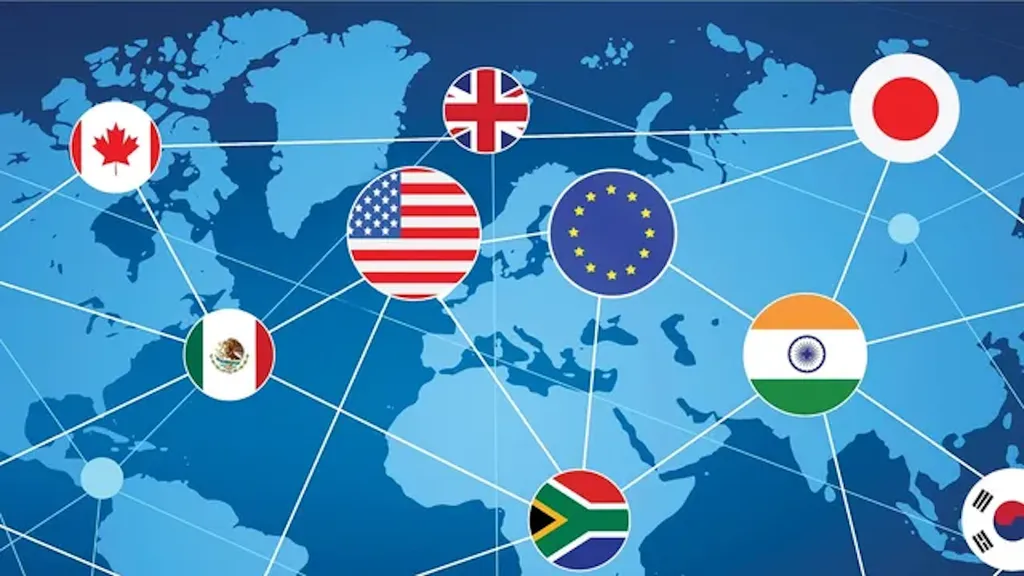
- ▪Friendshoring involves shifting trade and investment toward allied or geographically close countries, offering opportunities for nations like Mexico and Vietnam.
- ▪The US is not competitive enough to reshore certain goods, creating openings for middle- and lower-income countries to attract manufacturing in sectors like electrical equipment and textiles.
- ▪Reshoring efforts could lead to higher consumer prices due to increased production costs in advanced economies.
- ▪Developing countries risk losing investment and jobs if advanced economies bring substantial production back domestically, particularly as automation enables more domestic manufacturing.
Opening excerpt (first ~120 words) tap to expand
The world economy is at a crossroads. International trade is slowing, economic uncertainty is rising, and trade between the US and China – the world’s two largest economies – risks pulling apart. And it is not just trade: the two countries also invest less in each other than they did just a few years ago. What is driving this reconfiguration of trade? For some large economies, including the US under President Donald Trump, a desire for greater self-reliance is central. Between 2017 and 2023, American imports fell most sharply in the very products where the US had been most reliant on China – including industrial machinery, computers and computer parts, and other electronic equipment such as monitors. This has important implications for global value chains.
…
Excerpt limited to ~120 words for fair-use compliance. The full article is at Asia Times.
Discussion
0 commentsMore from Asia Times