Old and new Gulf faultlines exposed by Iran war
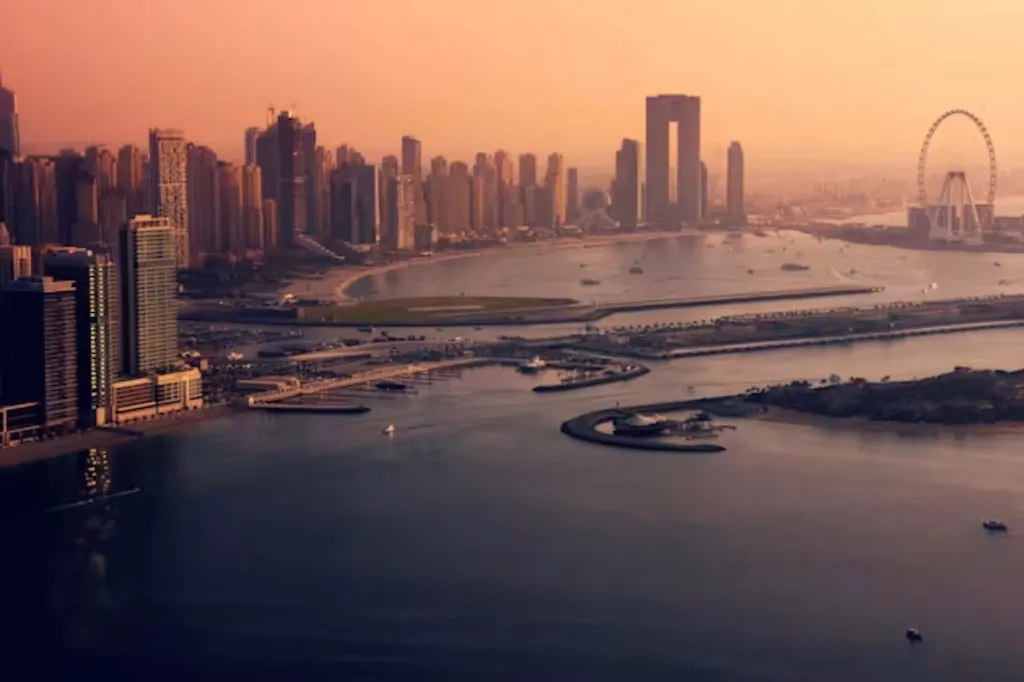
The UAE announced its withdrawal from OPEC on April 28, signaling growing tensions with Saudi Arabia and reflecting deeper rifts among Gulf states amid the ongoing Middle East conflict. While OPEC has historically united Gulf oil producers, the UAE's push for higher production quotas and diverging regional strategies have strained relations within the bloc. The war involving Iran has further exposed economic, political, and strategic divisions, including disputes over islands and foreign alliances.
- ▪The UAE announced its departure from OPEC, citing long-standing disagreements over production quotas and growing strategic divergence from Saudi Arabia.
- ▪Regional tensions have increased due to differing Gulf state approaches to conflicts in Yemen and Sudan, relations with Israel, and responses to Iran's actions in the Gulf.
- ▪The UAE and Iran continue to dispute sovereignty over three strategic islands—Abu Musa, Greater Tunb, and Lesser Tunb—originally occupied by Iran in 1971.
- ▪Saudi Arabia and the UAE have become economic competitors, and their responses to Pakistan during the Iran conflict have highlighted further diplomatic rifts.
- ▪The UAE’s OPEC exit announcement was made during a Gulf Cooperation Council meeting in Riyadh, marking a significant diplomatic affront to Saudi leadership.
Opening excerpt (first ~120 words) tap to expand
The United Arab Emirates (UAE) announced on April 28 that it will leave the global oil producers’ cartel OPEC. Its decision is the latest sign that the war in the Middle East has not only deepened animosities between Iran and its Gulf neighbors, but among the Gulf states too. Founded in 1960, OPEC is a rare success story among multilateral organizations in the region. Its policies paved the way for Gulf oil producers to have enough funds to buy back or renationalize their oil resources and finance the spectacular development of their states. The organization has survived all major revolutions and wars in the region thus far, though Qatar left in 2019 when it was blockaded by its Gulf neighbors. Saudi Arabia, the largest oil producer in OPEC, holds substantial leverage within the group.
…
Excerpt limited to ~120 words for fair-use compliance. The full article is at Asia Times.
Discussion
0 commentsMore from Asia Times