'They can’t block the sky': Inside an ingenious satellite TV hack bypassing Iran’s internet blackout — when the web goes dark, activists are smuggling gigabytes of data through ordinary television signals to keep the Iranian people connected to the world
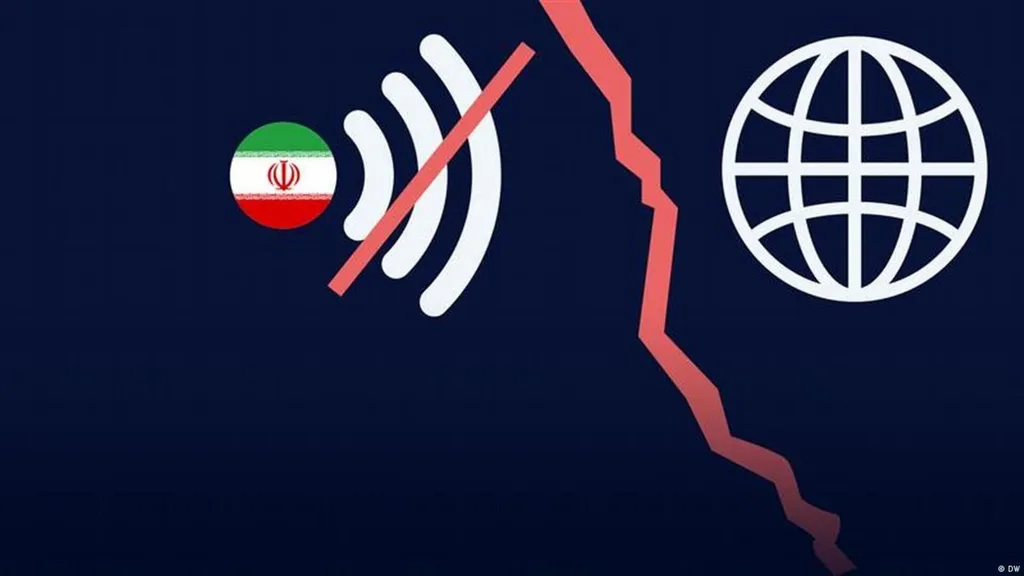
During Iran's 2026 internet blackout, activists used satellite TV signals to bypass government censorship and deliver vital data to citizens. The Toosheh system embeds gigabytes of content into regular TV broadcasts, allowing users to receive information without detection. This method exploits the unencrypted nature of free-to-air satellite signals, which are difficult for authorities to block completely.
- ▪In January 2026, the Iranian government shut down internet services across all provinces for weeks and throttled VPNs, messaging, and phone services.
- ▪Toosheh delivers data through free-to-air satellite TV broadcasts by embedding files into the MPEG transport stream, making it appear as regular audio or video.
- ▪Users receive 1 to 5 gigabytes of curated content without sending requests or leaving traceable logs, ensuring privacy and undetectability.
- ▪The system requires only a satellite dish, receiver, and a DVB card-equipped computer to capture and store the hidden data.
- ▪Satellite signals are hard to jam completely, making this method a resilient workaround against centralized internet control.
- ▪Jamming efforts by the government have failed to fully block the satellite-based data delivery system.
Opening excerpt (first ~120 words) tap to expand
Pro 'They can’t block the sky': Inside an ingenious satellite TV hack bypassing Iran’s internet blackout — when the web goes dark, activists are smuggling gigabytes of data through ordinary television signals to keep the Iranian people connected to the world News By Efosa Udinmwen published 28 April 2026 Satellite workaround exposes limits of centralized internet control systems When you purchase through links on our site, we may earn an affiliate commission. Here’s how it works.
…
Excerpt limited to ~120 words for fair-use compliance. The full article is at TechRadar.
Discussion
0 commentsMore from TechRadar