The Hidden Bottleneck in Quantum Machine Learning: Getting Data into a Quantum Computer
The article discusses the challenges of loading classical data into quantum computers for machine learning. It highlights that quantum computers cannot directly read classical bits, necessitating the embedding of data into quantum states. This process becomes increasingly complex as data size and complexity grow, with no efficient universal method currently available.
- ▪Quantum computers operate using qubits, which differ fundamentally from classical bits.
- ▪The process of embedding classical data into quantum states is a significant bottleneck in quantum machine learning.
- ▪As the size and complexity of data increase, the cost of preparing quantum states can grow exponentially.
Opening excerpt (first ~120 words) tap to expand
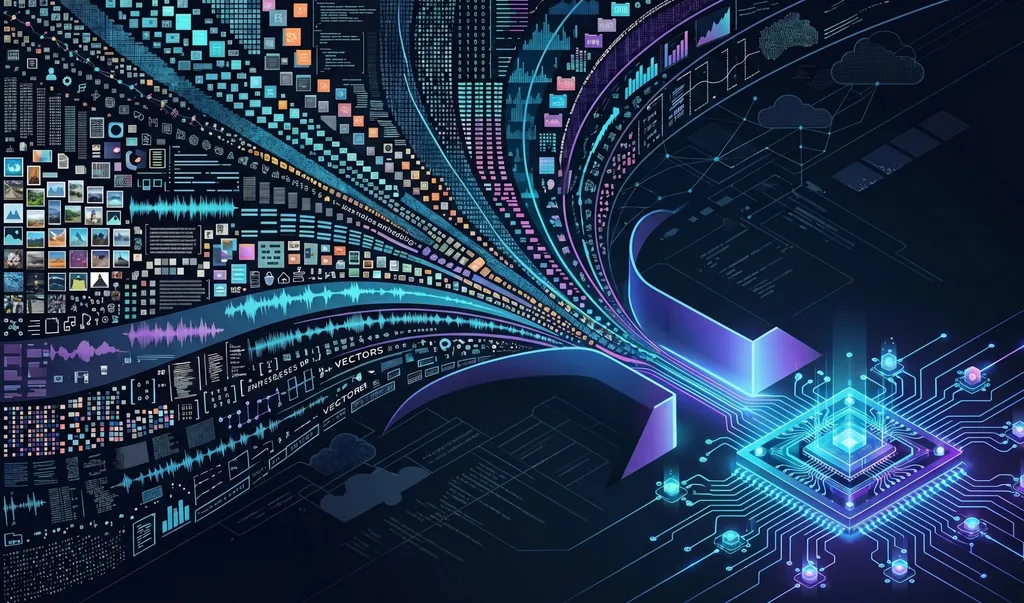
Quantum Computing The Hidden Bottleneck in Quantum Machine Learning: Getting Data into a Quantum Computer Exploring one of the most overlooked bottlenecks in QML: getting data into a quantum computer efficiently. Davinder Singh May 22, 2026 9 min read Share Classical data streams converging into a quantum processor, illustrating the quantum data loading bottleneck. Illustration created by the author using Gemini. In this article: How Classical Neural Networks Read Data Quantum Computers Can’t Read Bits Embedding Classical Data into Quantum States The Data Loading Bottleneck in Quantum Machine Learning Conclusion Modern Artificial Intelligence (AI) and Machine Learning (ML) rely heavily on processing large volumes of data and learning patterns from them.
…
Excerpt limited to ~120 words for fair-use compliance. The full article is at Towards Data Science.
Discussion
0 commentsMore from Towards Data Science