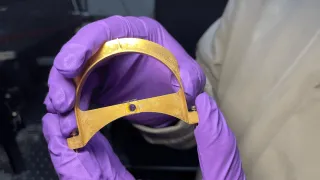
Scientists solve 320-million-year mystery of reptile bone armor
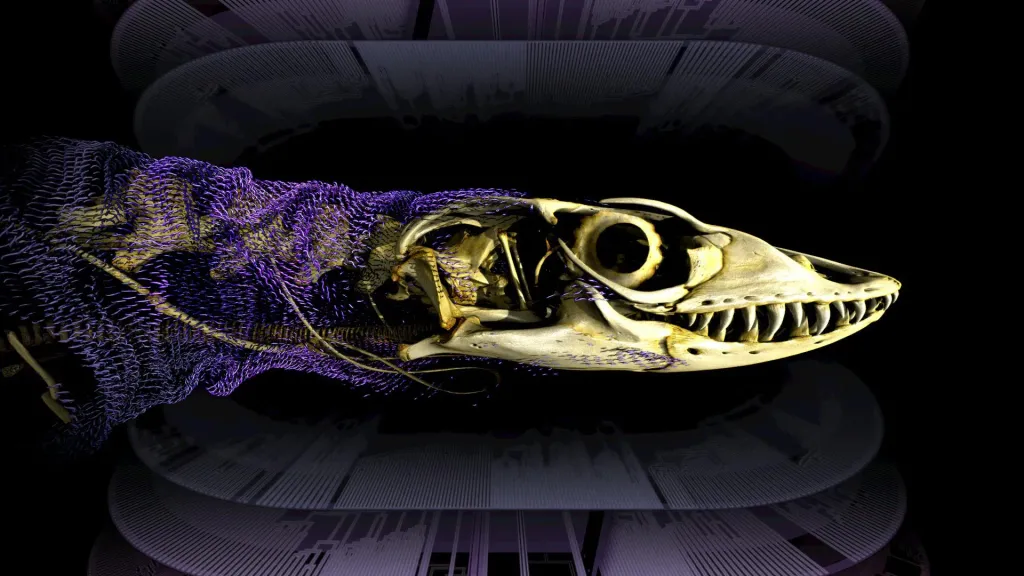
A recent study has revealed that the evolution of skin bones in reptiles occurred independently across multiple lizard lineages rather than from a single armored ancestor. This research also highlights a remarkable evolutionary comeback in Australian goannas, which lost their armor and then re-evolved it millions of years later. The findings contribute to a better understanding of the complex evolutionary history of reptile armor.
- ▪Skin bones in reptiles have evolved independently in various lizard groups over 320 million years.
- ▪Australian goannas lost their skin armor and later re-evolved it during the Miocene period.
- ▪The study combined fossil evidence and modern computational tools to trace the evolution of skin bones in reptiles.
Opening excerpt (first ~120 words) tap to expand
Science News from research organizations Scientists solve 320-million-year mystery of reptile bone armor Ancient reptile armor didn’t evolve just once — and Australian goannas may have pulled off evolution’s ultimate comeback. Date: May 20, 2026 Source: The Conversation Summary: Reptiles have been growing armor in their skin on and off for hundreds of millions of years, but scientists never fully understood how it evolved. A massive new evolutionary study shows these skin bones appeared independently in multiple lizard groups rather than coming from a single armored ancestor. Even more astonishing, Australian goannas lost this armor long ago — then evolved it back again millions of years later.
…
Excerpt limited to ~120 words for fair-use compliance. The full article is at ScienceDaily.
Discussion
0 commentsMore from ScienceDaily