Roundup lawsuit hits Supreme Court — but here are 6 glyphosate alternatives to protect your yard without toxic chemicals
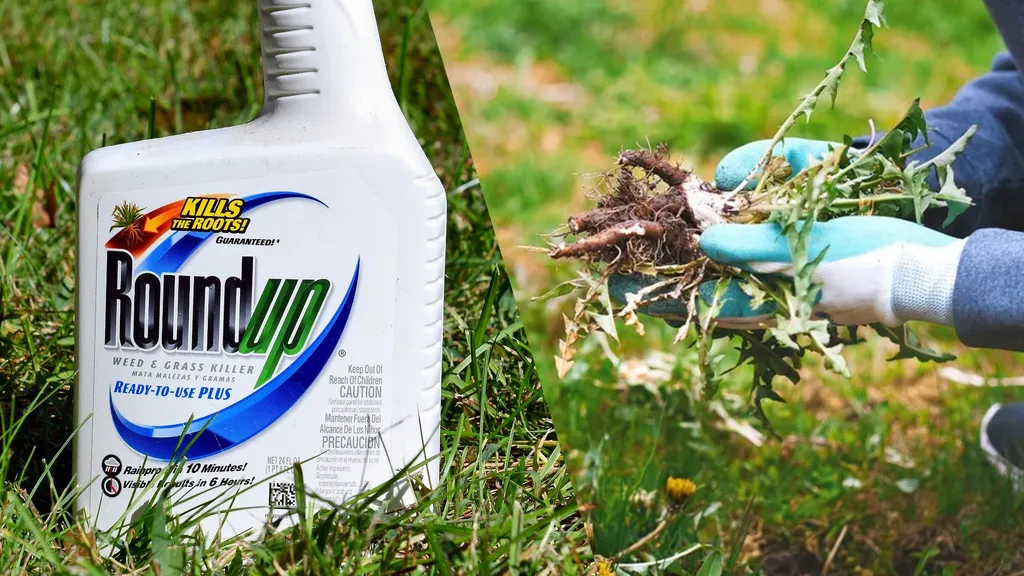
The Supreme Court is reviewing a high-profile lawsuit concerning the safety of Roundup, a popular weedkiller containing glyphosate, which has been linked to cancer concerns. Amid growing public worry, interest in non-toxic alternatives for weed control is rising. The article highlights six organic methods to manage weeds without relying on chemical herbicides.
- ▪Roundup contains glyphosate, a chemical under scrutiny for potential cancer risks.
- ▪The Supreme Court case has increased public awareness about the health effects of common weedkillers.
- ▪Mulching with organic materials like wood chips can suppress weed growth by blocking sunlight.
- ▪Manual removal using specialized tools helps eliminate weeds without chemicals.
- ▪Newspaper and cardboard are effective, eco-friendly barriers for preventing weed germination.
Opening excerpt (first ~120 words) tap to expand
Home Outdoors Gardening Roundup lawsuit hits Supreme Court — here are 6 alternatives to kill weeds in your yard without toxic chemicals News By Camilla Sharman published 28 April 2026 Natural ways to prevent weeds When you purchase through links on our site, we may earn an affiliate commission. Here’s how it works. (Image credit: Shutterstock) Copy link Facebook X Reddit Email Share this article 0 Join the conversation Follow us Add us as a preferred source on Google Newsletter Subscribe to our newsletter Roundup, the most widely used weedkiller in the U.S., is currently being discussed in the Supreme Court over whether it is safe.
…
Excerpt limited to ~120 words for fair-use compliance. The full article is at Tom's Guide.
Discussion
0 commentsMore from Tom's Guide