LLM Themes Are Not Observations
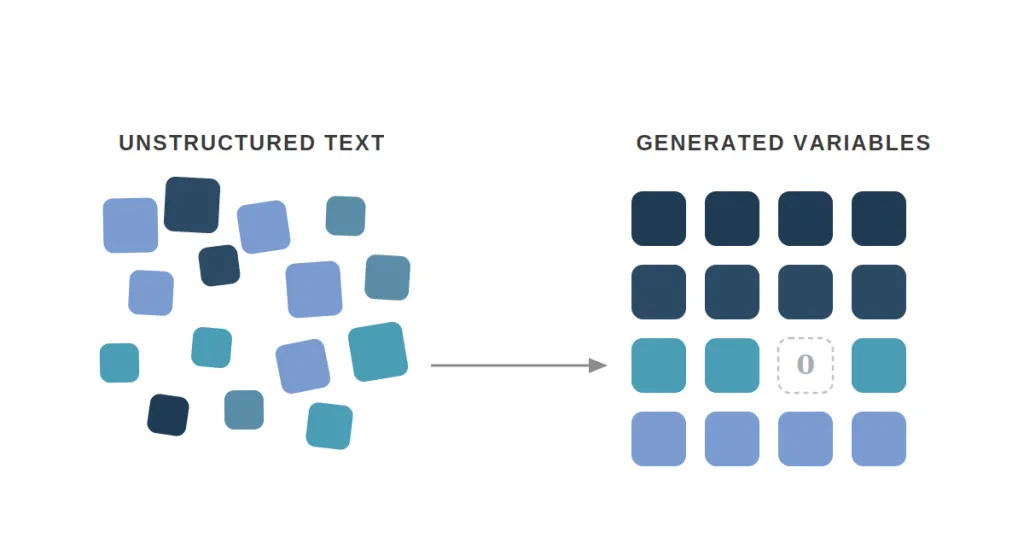
The article discusses the pitfalls of using themes extracted from customer interactions in causal analysis. It highlights that these themes are not direct observations of customer attributes but rather generated variables influenced by various biases. The author warns that treating these outputs as valid measurements can lead to significant misinterpretations in data analysis.
- ▪LLM-extracted themes are often treated as direct readings of customer states, which they are not.
- ▪The article identifies four main issues that arise when using these generated variables in analysis: selection, timing, measurement, and role.
- ▪Misinterpretations can occur when analysts do not account for the data-generating processes behind the themes.
Opening excerpt (first ~120 words) tap to expand
LLM Applications LLM Themes Are Not Observations A practitioner's warning about generated variables in causal analysis William Gieng May 21, 2026 15 min read Share Image by Claude An analyst joins LLM-extracted themes from a call corpus to the customer table. Customers without transcripts get NULL. NULL gets filled with zero, or with “no issue mentioned,” or quietly omitted as a reference category. In one line of preprocessing, the pipeline converts did not call support into did not experience billing frustration. The regression that follows looks clean. The coefficient on “billing frustration” is significant, signed the way the product team expected, large enough to matter. It gets pasted into a roadmap document. Nobody asks where the variable came from.
…
Excerpt limited to ~120 words for fair-use compliance. The full article is at Towards Data Science.
Discussion
0 commentsMore from Towards Data Science