Japan is gripped by mass allergies. A 1950s project is to blame
Japan is facing a significant allergy crisis, primarily due to a reforestation project from the 1950s that favored two tree species. This has resulted in a high prevalence of pollen allergies, affecting around 43% of the population and leading to substantial economic impacts. The government has recognized this issue and aims to reduce pollen production by 50% over the next 30 years.
- ▪A reforestation project in the 1950s led to the planting of only Japanese cedar and cypress trees, resulting in excessive pollen production.
- ▪Currently, 43% of Japan's population suffers from medium to severe hay fever symptoms, significantly higher than in other countries.
- ▪The economic impact of pollen allergies in Japan is estimated at $1.6 billion per day during peak allergy season.
Opening excerpt (first ~120 words) tap to expand
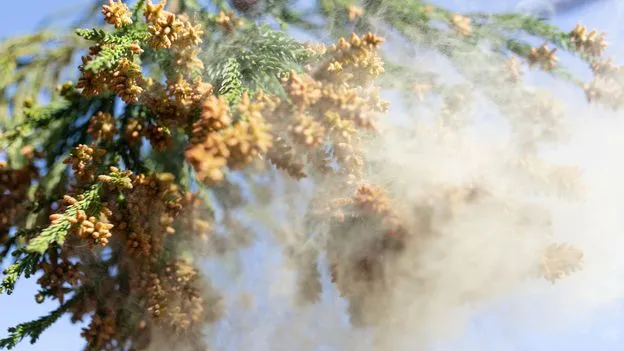
Japan is gripped by mass allergies. A 1950s project is to blame16 hours agoShareSaveAdd as preferred on GoogleNithin CocaGetty Images(Credit: Getty Images)A decision made 70 years ago to reforest vast swathes of Japan with just two kinds of tree has come back to haunt the country.In February, videos showing what looked like waves of smoke blowing off an evergreen forest went viral in Japan. It wasn't smoke – it was pollen, and the videos were a warning to tens of millions of residents of the archipelago nation: prepare your masks and allergy medicine.Every spring (which is already arriving earlier in Japan due to climate change) you'll see people of all ages wearing masks on the streets of cities across the country. The reason: hay fever, driven by all the pollen.
…
Excerpt limited to ~120 words for fair-use compliance. The full article is at Bbc.
Discussion
0 commentsMore from Bbc