WeSearch

ICC awards $8.4 million in reparations to victims of al-Qaida-linked leader in Mali
·2 min read · 0 reactions · 0 comments · 55 views
#icc#mali#reparations#al-qaida#timbuktu
ICC awards $8.4 million in reparations to victims of al-Qaida-linked leader in Mali
⚡ TL;DR · AI summary

The International Criminal Court has ordered al-Qaida-linked extremist Al Hassan Ag Abdoul Aziz to pay 7.2 million euros ($8.4 million) in reparations for crimes including torture and religious persecution committed in Timbuktu, Mali, in 2012. Although Al Hassan is deemed financially liable, he is indigent, so the reparations will be funded by the ICC's Trust Fund for Victims. The fund will allocate money for socio-economic, educational, and psychological support, prioritizing women and girls affected by the violence. This decision follows previous ICC reparations in Mali related to the destruction of cultural heritage sites.

Original article
Korea Times
Read full at Korea Times →
Full article excerpt tap to expand

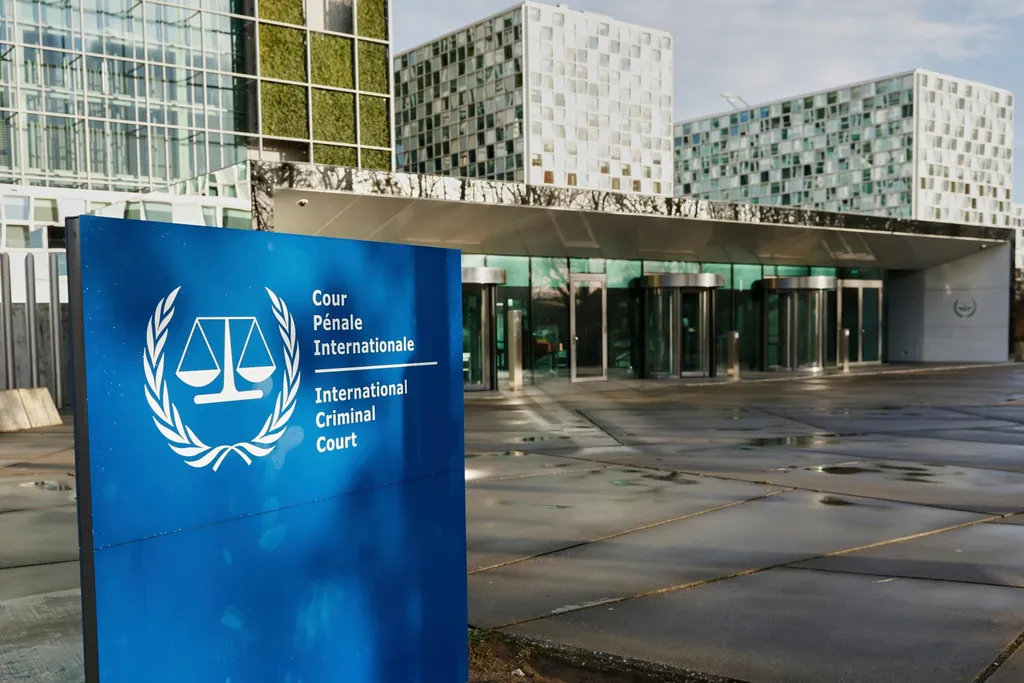
A general view of the exterior of the International Criminal Court is seen in The Hague, Netherlands, March 12, 2025. AP-YonhapThe International Criminal Court on Tuesday ordered an al-Qaida-linked extremist leader to pay 7.2 million euros ($8.4 million) in reparations for atrocities he oversaw as head of the Islamic police in the desert city of Timbuktu in the West African country of Mali .Al Hassan Ag Abdoul Aziz Ag Mohamed Ag Mahmoud was convicted of torture, religious persecution and other inhumane acts in 2024 and sentenced to 10 years in prison . Judges found he was a key figure in a reign of terror after Islamic extremist rebels overran Timbuktu in 2012.“Mr. Al Hassan, as the person found responsible for the crimes, which caused the harm to the victims, is the person financially liable for the cost of repairing the harm,” Presiding Judge Kimberly Prost said, addressing the courtroom in the Dutch city of The Hague.While the court has declared Al Hassan liable, it won't be able to collect the money from the 49-year-old, who was declared indigent and represented by a court-funded lawyer during his trial.Instead, reparations for the more than 65,000 victims will be paid by the Trust Fund for Victims, set up by the court’s member states to distribute the funds.We are “one of the many innovations of the Rome Statute,” the fund’s executive director, Deborah Ruiz Verduzco, told The Associated Press.Under the court’s founding treaty, the Rome Statute, the fund “responds to the harm resulting from the crimes under the jurisdiction.”The 24 staff members in Ruiz Verduzco’s office are tasked with assisting victims and their families, establishing programs in communities destroyed by violence and drumming up financial support to fulfill its mandate.In its two decades of operation, the trust fund has received money from perpetrators in only one case.“Substantial fundraising will need to take place,” Prost said.The bulk of the money will come from the court’s member states, though the fund also accepts private donations. In March, Germany gave 40,000 euros ($46,000). Sweden and the Netherlands are the two biggest supporters.Judges guide how the reparations money will be allocated, though they solicit input from the victims through their lawyers and the trust fund.In the Al Hassan case, the reparations will be used for “socio-economic support, educational programs or trainings and psychological support,” according to the decision. Projects should target women and girls, who suffered disproportionately under the extremist groups.Communities in Mali have already seen some restitution. Ahmad Al Faqi Al Mahdi pleaded guilty and was convicted in 2016 for destroying historic mausoleums in Timbuktu. In 2021, the trust fund began a project to repair ruined buildings .Mali, along with its neighbors Burkina Faso and Niger, has for over a decade battled an insurgency fought by armed groups, including some allied with al-Qaida and the Islamic State group. Following coups in all three nations in recent years, the ruling juntas have expelled French forces and turned to Russia’s mercenary units for security assistance instead.Tuesday's decisions comes days after an alliance of al-Qaida-linked militants and separatists carried out the largest coordinated attack in Mali in over a decade.

This excerpt is published under fair use for community discussion. Read the full article at Korea Times.

Anonymous · no account needed
Share 𝕏 Facebook Reddit LinkedIn Email

Discussion

0 comments

More from Korea Times