United Arab Emirates says it will leave OPEC effective May 1
The United Arab Emirates (UAE) has announced its decision to leave OPEC and the OPEC+ group effective May 1. This move comes amid growing tensions with Saudi Arabia and a desire for greater autonomy in its energy policies. The UAE aims to enhance its domestic energy production while maintaining a responsible role in global energy markets.
- ▪The UAE will exit OPEC effective May 1, a decision that has been anticipated for some time.
- ▪The UAE has been trying to assert its foreign policy, which has sometimes conflicted with Saudi Arabia's positions.
- ▪The UAE's announcement reflects its strategic vision for energy production and market participation.
Opening excerpt (first ~120 words) tap to expand
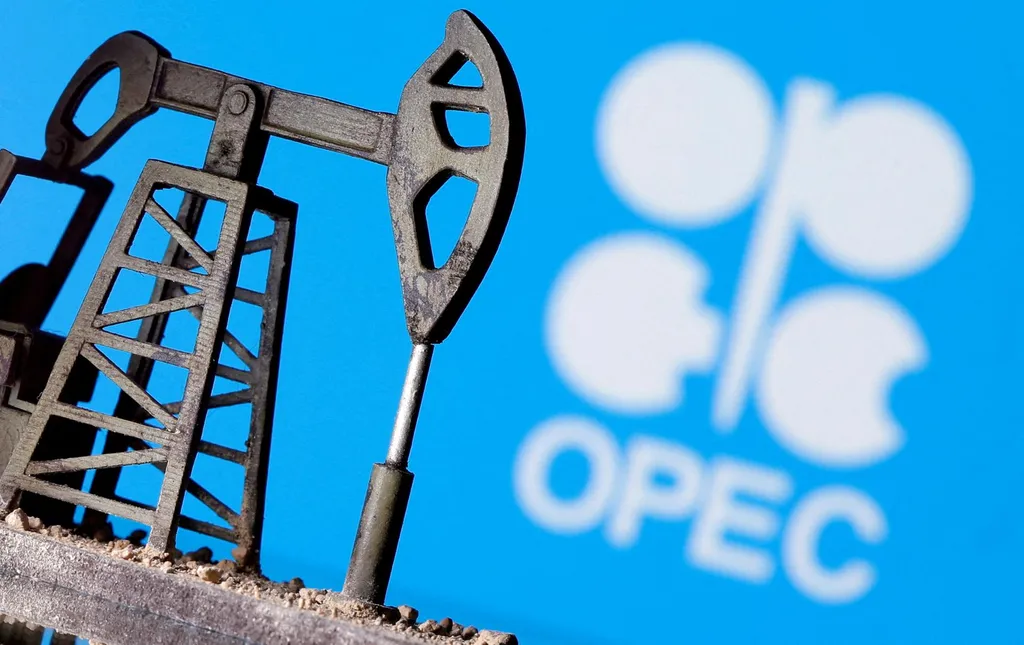
An illustration image of the Organization of the Petroleum Exporting Countries (OPEC) / Reuters-YonhapDUBAI, United Arab Emirates — The United Arab Emirates (UAE) announced Tuesday that it will leave the oil cartel OPEC and its wider OPEC+ group effective May 1, a move rumored for some time as the Emirates chaffed under production restrictions and increasingly had frostier relations with neighboring Saudi Arabia.The UAE had been a longtime member of OPEC, first through its emirate of Abu Dhabi in 1967 and later when the UAE became its own country in 1971.But the UAE has been increasingly trying to leverage its own foreign policy in the Middle East that has contradicted some positions of Riyadh over time — particularly as Saudi Arabia began to directly challenge the Emirates in trying to…
Excerpt limited to ~120 words for fair-use compliance. The full article is at Korea Times.
Discussion
0 commentsMore from Korea Times