From the Holodomor to Hamas: The New York Times Stays True to Form
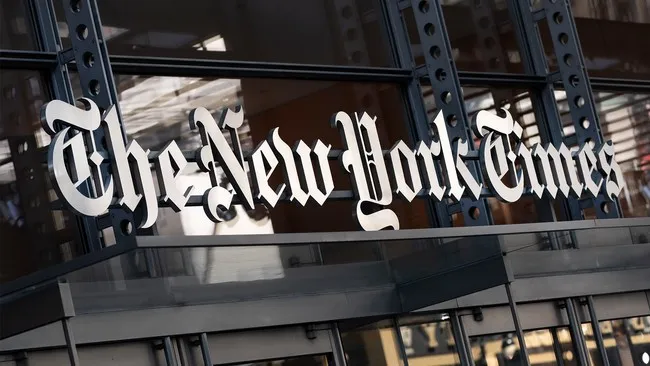
The article draws a comparison between The New York Times' historical coverage of the Holodomor famine and its contemporary reporting on Hamas, suggesting a pattern of bias or misinformation. It criticizes the newspaper's past denial of Soviet atrocities under Walter Duranty's reporting, particularly the downplaying of mass starvation in Ukraine. The piece implies that similar journalistic failures persist in the Times' current coverage of international conflicts.
- ▪Walter Duranty, a New York Times correspondent, denied the Holodomor famine in the 1930s despite widespread evidence of mass starvation in Ukraine.
- ▪Duranty's reports claimed there was 'no evidence of actual starvation,' aligning with Soviet propaganda under Stalin.
- ▪The article suggests that The New York Times continues a pattern of biased or misleading reporting in its coverage of Hamas and the Middle East.
- ▪Historical events such as the Holodomor are used to critique the credibility of contemporary media narratives.
- ▪The piece uses historical parallels to question the integrity and consistency of major news outlets in reporting on geopolitical atrocities.
Opening excerpt (first ~120 words) tap to expand
From the Holodomor to Hamas: The New York Times Stays True to Form Eric Florack | 10:38 AM on May 16, 2026 AP Photo/Mark Lennihan, File Good morning, and welcome to Saturday, May 16, 2026. Today, among other things, is known as Armed Forces Day. Today is also National BBQ Day, National Chartreuse Day, World Whiskey Day, National Fiddle Day, and National Classic Movie Day. It’s also the day of the Preakness Stakes — the second leg of horse racing's Triple Crown, and it runs annually at Pimlico Race Course in Baltimore, Maryland, on the third Saturday of May.
…
Excerpt limited to ~120 words for fair-use compliance. The full article is at PJ Media.
Discussion
0 commentsMore from PJ Media