Nationwide Split: Critical Election Transparency and Integrity Case at Supreme Court
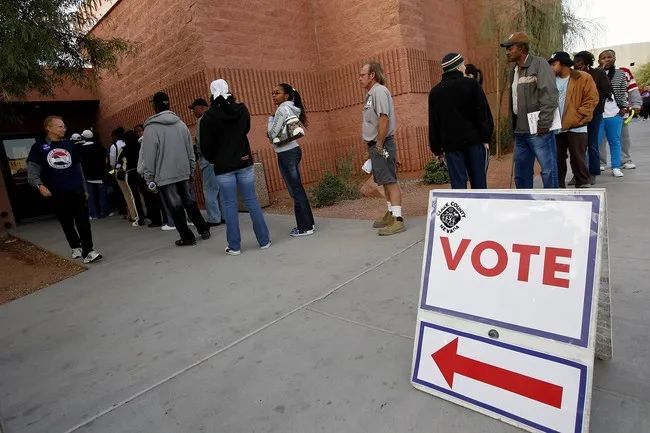
The Supreme Court is hearing a case that could resolve differing court interpretations of the 1993 National Voter Registration Act, also known as Motor Voter. The case stems from a dispute in Hawaii over whether voter rolls must be treated as public records under the law. Various circuit courts have issued conflicting rulings, creating a nationwide split on election transparency and roll maintenance obligations.
- ▪The Motor Voter Act of 1993 requires states to maintain and disclose voter registration records to ensure clean and transparent elections.
- ▪A First Circuit decision forced Maine to allow public scrutiny of its voter rolls, while a Sixth Circuit ruling limited such obligations in Michigan and neighboring states.
- ▪The Ninth Circuit reversed a lower court’s standing decision but held that voter rolls are not records that must be disclosed under the Act, creating a circuit split.
- ▪The Supreme Court case, PILF v. Nago, originates in Hawaii, where lower courts have restricted access to election records despite the Act’s text.
Opening excerpt (first ~120 words) tap to expand
Nationwide Split: Critical Election Transparency and Integrity Case at Supreme Court Christian Adams | 9:02 AM on July 20, 2026 AP Photo/Louie Traub, File American elections are suffering from a lack of truth about what is working and what isn’t. Federal courts have mangled laws regarding state obligations to keep voter rolls clean and transparent. In some parts of the country, voter list maintenance must be transparent. In others, like Hawaii, courts have shielded governments from scrutiny.
…
Excerpt limited to ~120 words for fair-use compliance. The full article is at PJ Media.
Discussion
0 commentsMore from PJ Media