Elegy for the Royal Navy
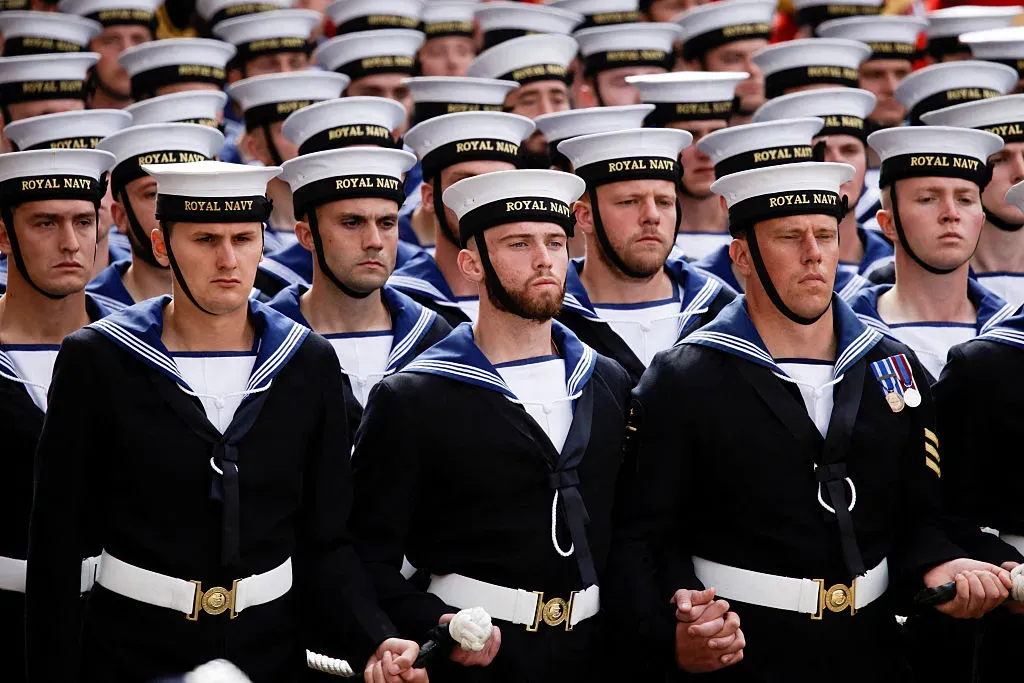
The article reflects on the historical significance and public perception of the Royal Navy in Britain. It contrasts the admiration for sailors with the fear often associated with soldiers throughout history. The author reminisces about the Navy's role in national pride and security, highlighting its unique relationship with the public.
- ▪The Royal Navy has a history of mutinies, including notable events on HMS Bounty and during the General Strike of 1926.
- ▪Sailors were often idealized in British society, seen as defenders of the realm rather than figures of authority to be feared.
- ▪The Navy's presence was a source of reassurance for the public, especially in major seaport cities.
Opening excerpt (first ~120 words) tap to expand
Elegy for the Royal Navy Britain has gone down with its ships 'In an era when soldiers were often despised, or even feared, sailors were not.' (Alkis Konstantinidis/Pool/AFP/Getty) 'In an era when soldiers were often despised, or even feared, sailors were not.' (Alkis Konstantinidis/Pool/AFP/Getty) British EmpireCinemaMilitaryRoyal NavySecond World War Peter Hitchens May 25 2026 - 12:03am 7 mins I do not think there has ever been a naval dictatorship. Hungary’s Admiral Horthy, though a sort of dictator, lacked an actual navy, or even any sea, by the time he came to power. So he doesn’t count. Why might this be? Seamen tend to be wary of authority, unless it is wisely exercised. For they know a bad captain is more likely to kill them than to kill the enemy.
…
Excerpt limited to ~120 words for fair-use compliance. The full article is at UnHerd.