Why aristocrats are funny
A recent study reveals that many professional speakers struggle with humor, with two-fifths telling no jokes and two-thirds of attempts falling flat. The article explores the comedic tradition in British culture, particularly how aristocrats and class dynamics contribute to humor. It highlights the role of Irish writers in shaping English comedy and the psychological aspects of why humor often arises from deflation and absurdity.
- ▪Two-fifths of professional speakers told no jokes, and two-thirds of attempted jokes fell flat.
- ▪British comedians often use class conflict as a source of humor, transitioning from the sublime to the mundane.
- ▪Irish writers have significantly influenced English stage comedy, using their outsider status to highlight societal absurdities.
Opening excerpt (first ~120 words) tap to expand
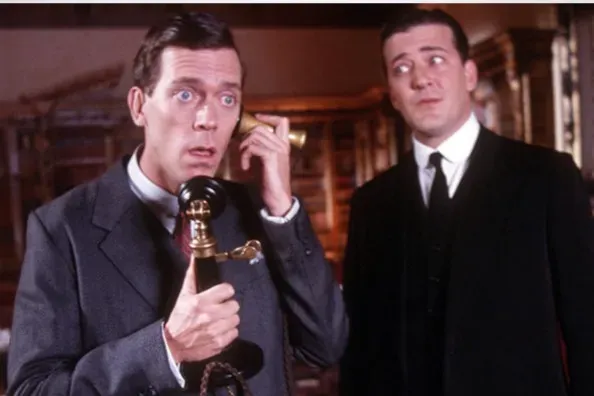
Why aristocrats are funny Toffs can be transgressive Hugh Laurie and Stephen Fry in Jeeves and Wooster, 1990. (Getty) Hugh Laurie and Stephen Fry in Jeeves and Wooster, 1990. (Getty) aristocracyBoris JohnsonCultureHumourMonty Python Terry Eagleton May 28 2026 - 12:01am 6 mins A recent scientific study of professional speakers finds that two fifths of them told no jokes, and of the jokes they attempted two thirds fell flat. In an insight of Einsteinian profundity, the researchers also discovered that audiences laugh less when they think they’re not expected to. Men are more likely to use humor than women, telling about a third more jokes than they do, and men also have a 10% higher possibility of provoking laughter.
…
Excerpt limited to ~120 words for fair-use compliance. The full article is at UnHerd.