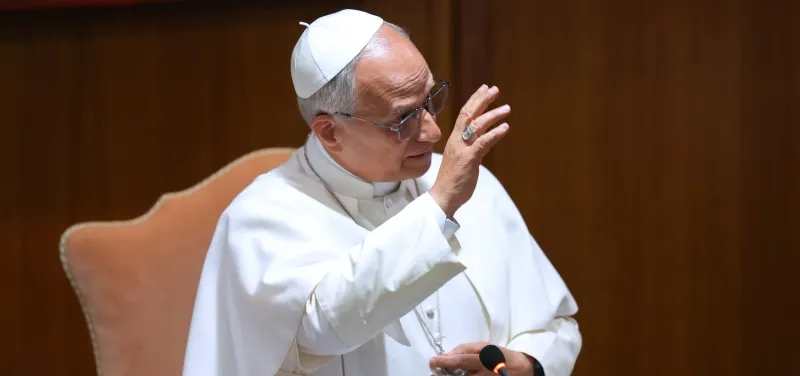
Presentation and promulgation of the Encyclical Letter "Magnifica humanitas"
AI bias-comparison
Pope Leo XIV issued his first encyclical, "Magnifica Humanitas," focusing on the implications of artificial intelligence for human dignity. The document emphasizes the need to safeguard the human person in the face of technological advancements, drawing on biblical references such as the Tower of Babel. This encyclical was officially presented and promulgated by the Vatican.
Coverage diverges primarily in thematic emphasis and interpretation. The Vatican's official releases present the encyclical in a straightforward manner, focusing on its content and implications for the Church's teachings. In contrast, First Things offers a more critical analysis, framing the encyclical within a broader theological context and emphasizing the potential dangers of technological hubris. The Vatican's coverage is more neutral and descriptive, while First Things engages with the encyclical's philosophical underpinnings.
What's missing from the coverage is a discussion of potential responses from various stakeholders, such as technology experts or ethicists, regarding the encyclical's implications. This absence may reflect a blind spot in both the Vatican's and First Things' narratives, as neither outlet explores the practical applications or critiques of the encyclical's proposals.
Headline framing
The headlines cover the encyclical 'Magnifica Humanitas' with a neutral presentation from center sources and a personal angle from a right-leaning source.
Coverage by perspective
Center · 2 sources
Right · 1 source
Bias ratings: AllSides Media Bias Chart + Ad Fontes + MBFC consensus. AI comparison: Cerebras Llama 3.3-70B with light editorial prompt. No paywall, no tracking, reader-funded — support →