Wildfire posts can save crucial minutes, but one hidden effect is reshaping how crews and resources get deployed
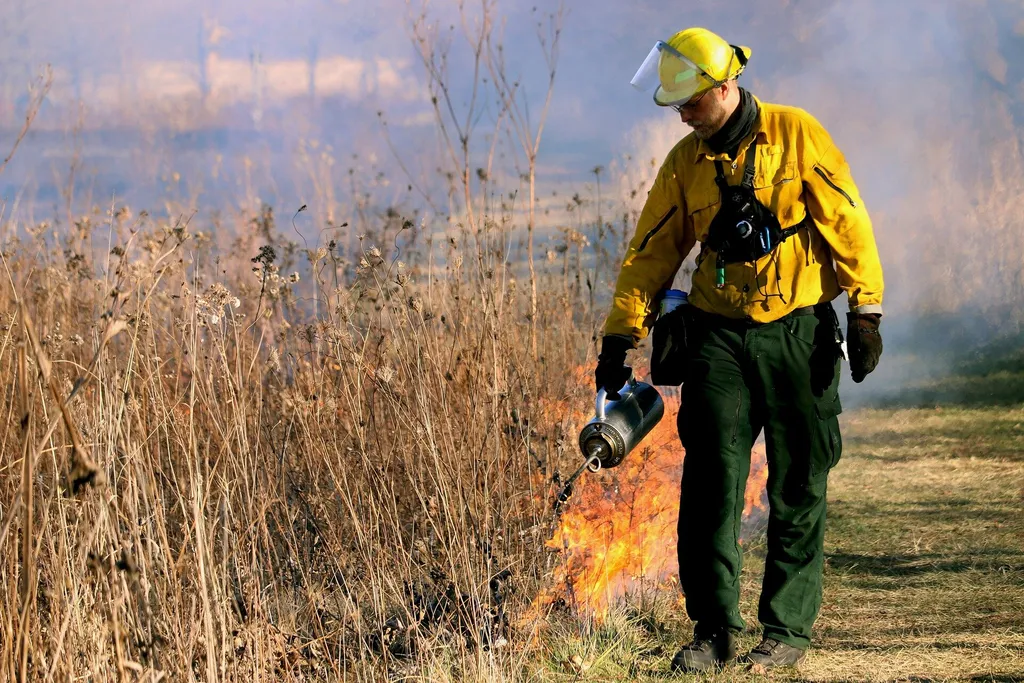
Research from the University of Waterloo highlights the dual impact of social media on wildfire response. While citizen posts can expedite emergency action, they may also lead to inefficient resource allocation. The study emphasizes the need for agencies to manage public attention effectively to balance responsiveness and operational efficiency.
- ▪Social media posts can help first responders act faster during emergencies.
- ▪Emotional posts with little information can lead to costly overreactions.
- ▪A new tool has been developed to help agencies manage social media's impact on resource allocation.
Opening excerpt (first ~120 words) tap to expand
April 28, 2026 Wildfire posts can save crucial minutes, but one hidden effect is reshaping how crews and resources get deployed by University of Waterloo edited by Sadie Harley, reviewed by Andrew Zinin Sadie Harley Scientific Editor Meet our editorial team Behind our editorial process Andrew Zinin Lead Editor Meet our editorial team Behind our editorial process Editors' notes This article has been reviewed according to Science X's editorial process and policies. Editors have highlighted the following attributes while ensuring the content's credibility: fact-checked trusted source proofread The GIST Add as preferred source Credit: Pixabay/CC0 Public Domain Social media posts are a double-edged sword for public agencies that respond to emergencies such as wildfires.
…
Excerpt limited to ~120 words for fair-use compliance. The full article is at Phys.org.
Discussion
0 commentsMore from Phys.org