Why the failure of Blue Origin's New Glenn rocket is so catastrophic
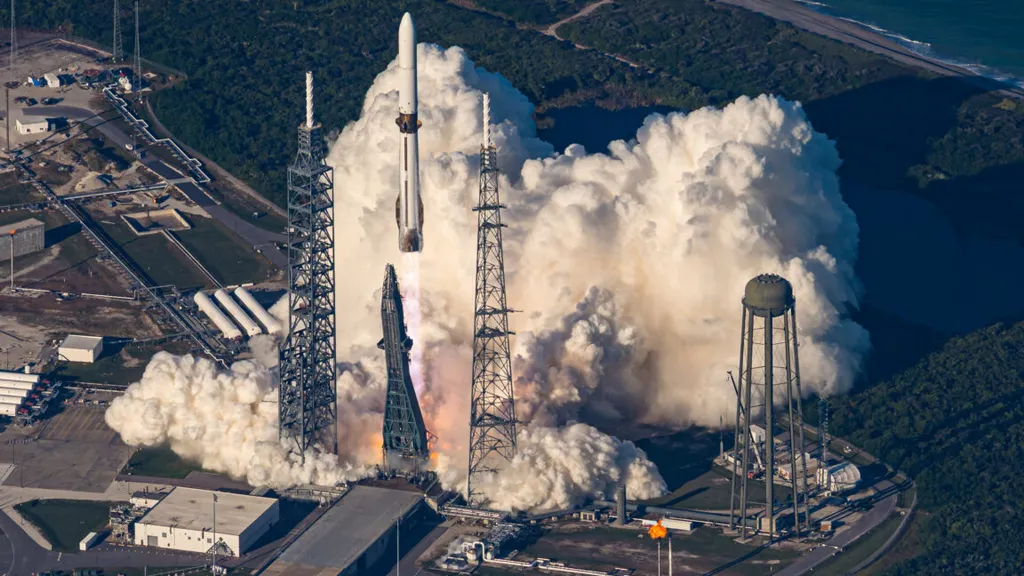
Blue Origin's New Glenn rocket experienced a catastrophic failure during a static-fire test, resulting in significant damage to its launch pad in Florida. This incident not only impacts Blue Origin but also poses challenges for NASA and the broader US space industry. The company faces a lengthy rebuild process for its launch infrastructure, which could take over a year to complete.
- ▪The New Glenn rocket detonated during a static-fire test, creating a large fireball and scattering debris.
- ▪There is confirmed significant damage to Blue Origin's launch site, LC-36A, which the company has invested heavily in.
- ▪Blue Origin does not have another launch site for New Glenn and will take at least 15 months to rebuild or finish a new pad.
Opening excerpt (first ~120 words) tap to expand
Leaves a mark Here’s why the failure of Blue Origin’s New Glenn rocket is so catastrophic “I hope that it makes it far enough away from the pad that it does not cause pad damage.” Eric Berger – May 29, 2026 8:43 am | 86 Blue Origin's 320-foot-tall (98-meter) New Glenn rocket lifts off from Cape Canaveral Space Force Station, Florida. Credit: Blue Origin Blue Origin's 320-foot-tall (98-meter) New Glenn rocket lifts off from Cape Canaveral Space Force Station, Florida. Credit: Blue Origin Text settings Story text Size Small Standard Large Width * Standard Wide Links Standard Orange * Subscribers only Learn more Minimize to nav Thursday night’s detonation of Blue Origin’s New Glenn rocket during a static-fire test produced a spectacular fireball over Florida, sending shards of the rocket…
Excerpt limited to ~120 words for fair-use compliance. The full article is at Ars Technica.
Discussion
0 commentsMore from Ars Technica