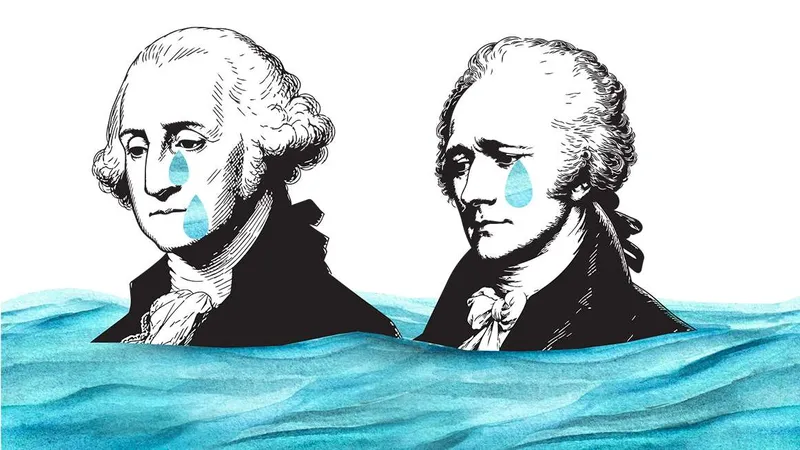
Why Populism Leads to Decline

Johan Norberg discusses the impact of populism on societal decline in a conversation with Nick Gillespie. He argues that open societies thrive through trade and innovation, while protectionism and nostalgia lead to decay. The discussion also touches on the historical patterns of civilizations and the current resurgence of populism in the U.S. and Europe.
- ▪Johan Norberg is a senior fellow at the Cato Institute and author of 'Peak Human: What We Can Learn From the Rise and Fall of Golden Ages.'
- ▪Norberg argues that societies thrive when open to trade, immigration, and new ideas, but decline when driven by fear and nostalgia.
- ▪The conversation explores the resurgence of populism and its historical context, including the dangers of protectionism and centralization.
Opening excerpt (first ~120 words) tap to expand
Populism Why Populism Leads to Decline Johan Norberg discusses what makes societies prosperous, why protectionism and nostalgia keep returning, and how populism feeds cultural decline. Nick Gillespie | 5.20.2026 11:00 AM Share on FacebookShare on XShare on RedditShare by emailPrint friendly versionCopy page URL Add Reason to Google Media Contact & Reprint Requests https://dts.podtrac.com/redirect.mp3/d2h6a3ly6ooodw.cloudfront.net/reasontv_audio_8380563.mp3 1x 1.1x 1.25x 1.5x 2x 3x :15 :15 Download Why Populism Leads to Decline HD Video Download Today's guest is Johan Norberg, a senior fellow at the Cato Institute and the author of Peak Human: What We Can Learn From the Rise and Fall of Golden Ages.
…
Excerpt limited to ~120 words for fair-use compliance. The full article is at Reason.com.
Discussion
0 commentsMore from Reason.com