Why aren't brain transplants possible?
Brain transplants are currently impossible due to the inability to establish functional connections between the central nervous system and a new body. While peripheral nerves can regenerate and communicate after transplantation, central nervous system neurons do not regenerate reliably in adults. Even with precise surgical alignment, scientists have not yet mastered the biological mechanisms needed for transplanted brain or spinal cord nerves to communicate effectively.
- ▪Surgeons cannot currently create signaling connections between nerves in the central nervous system, making brain transplants unfeasible.
- ▪Peripheral nerves can regenerate and form communication with new tissue, but central nervous system regeneration in adult humans is extremely limited.
- ▪Attempts at animal head transplants in the 20th century resulted in survival of only a few days, with no long-term success due to vascular and immune challenges.
- ▪Partial brain transplants, such as replacing the cerebellum, are also impossible due to the vast and complex network of neuronal connections involved.
- ▪Dr. Sergio Canavero proposed a human head transplant in 2013, but the idea faced widespread criticism from the medical community.
Opening excerpt (first ~120 words) tap to expand
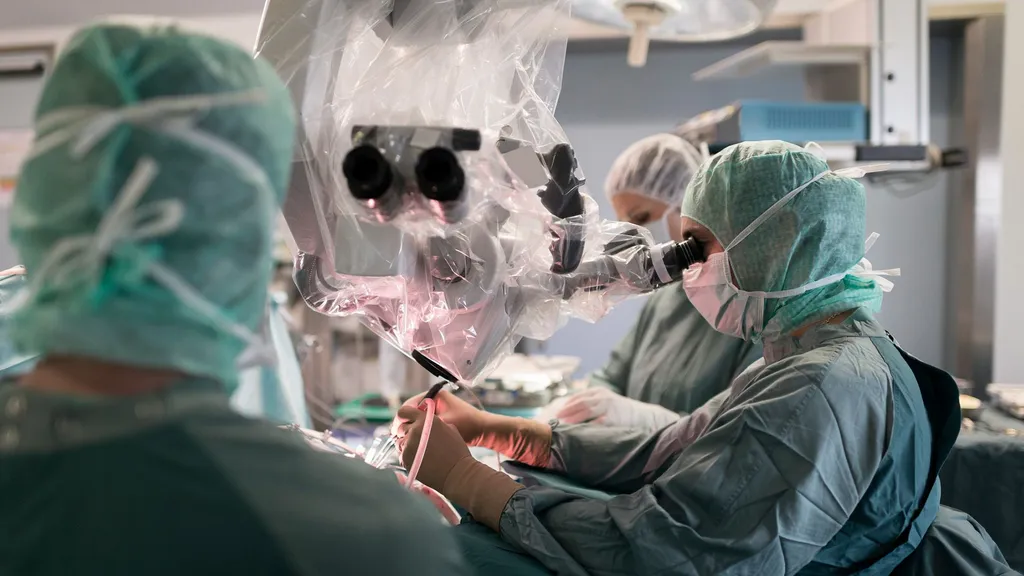
Health Neuroscience Why aren't brain transplants possible? Lining up donor and recipient nerves for a potential brain transplant is one thing. Getting them to communicate is another. By Lauren Schneider published 17 May 2026 in Features When you purchase through links on our site, we may earn an affiliate commission. Here’s how it works. Today's neurosurgeons can accomplish a lot — just not a brain transplant. (Image credit: Westend61 via Getty Images) Copy link Facebook X Reddit Pinterest Flipboard Share this article 0 Join the conversation Follow us Add us as a preferred source on Google Newsletter Subscribe to our newsletter At the Alcor facility in Arizona, more than 150 disembodied heads reportedly lie in cryogenic chambers, preserved in hopes that future medical advances can bring…
Excerpt limited to ~120 words for fair-use compliance. The full article is at Live Science.
Discussion
0 commentsMore from Live Science