Why are global ocean currents slowing down?
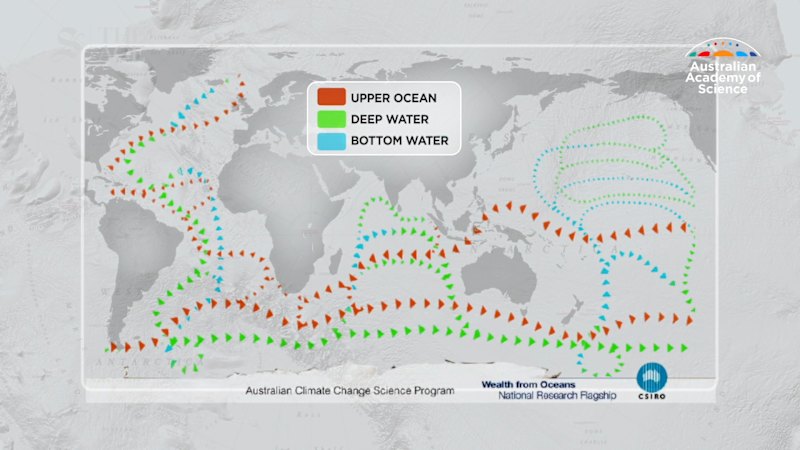
Global ocean currents are slowing down due to climate change, particularly from melting ice in polar regions altering seawater density and disrupting circulation patterns. This slowdown can impact weather systems, marine ecosystems, and global climate regulation. Scientists warn that continued warming could lead to long-term changes in ocean circulation with widespread environmental consequences.
- ▪Melting polar ice reduces seawater salinity and density, weakening the Atlantic Meridional Overturning Circulation (AMOC).
- ▪Ocean currents play a critical role in distributing heat, nutrients, and carbon dioxide around the planet.
- ▪A slowdown in circulation can lead to more extreme weather, altered rainfall patterns, and disruptions to marine life.
- ▪Research indicates the AMOC is at its weakest point in over a thousand years.
- ▪Changes in ocean currents can affect fisheries, sea levels, and regional climates worldwide.
Opening excerpt (first ~120 words) tap to expand
{"@context":"https://schema.org","@type":"BreadcrumbList","itemListElement":[{"@type":"ListItem","item":{"@id":"https://www.smh.com.au","name":"Home"},"position":1},{"@type":"ListItem","item":{"@id":"https://www.smh.com.au/environment","name":"Environment"},"position":2},{"@type":"ListItem","item":{"@id":"https://www.smh.com.au/topic/climate-crisis-6g9x","name":"Climate crisis"},"position":3}]}AdvertisementEnvironmentClimate crisisWhy are global ocean currents slowing down?How what happens in the polar regions affects the climate around the world.
…
Excerpt limited to ~120 words for fair-use compliance. The full article is at The Sydney Morning Herald.
Discussion
0 commentsMore from The Sydney Morning Herald