What is the latest Palestine Action court case – and what is at stake?
Government appeal against high court ruling could have implications for right to protest and lead to other groups being proscribed
Full article excerpt tap to expand
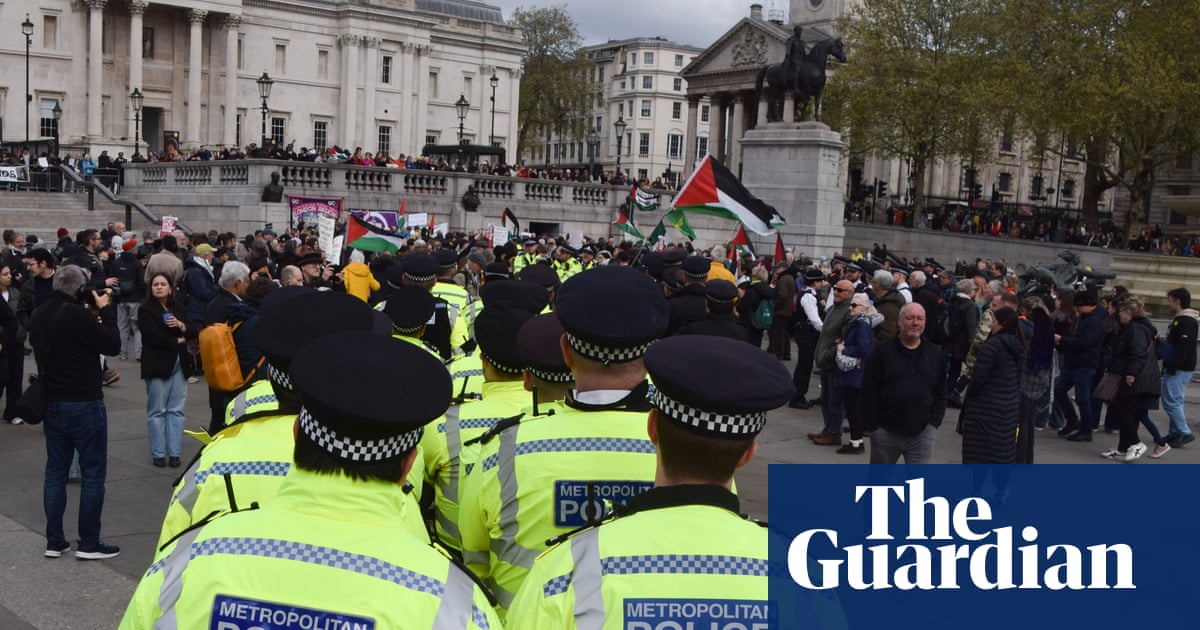
The ban on Palestine Action came into effect on 5 July last year. Photograph: Vuk Valcic/SOPA Images/ShutterstockView image in fullscreenThe ban on Palestine Action came into effect on 5 July last year. Photograph: Vuk Valcic/SOPA Images/ShutterstockPalestine ActionExplainerWhat is the latest Palestine Action court case – and what is at stake?Government appeal against high court ruling could have implications for right to protest and lead to other groups being proscribedHaroon Siddique Legal affairs correspondentTue 28 Apr 2026 04.00 EDTLast modified on Tue 28 Apr 2026 04.46 EDTSharePrefer the Guardian on GoogleThe home secretary, Shabana Mahmood, will have her appeal against the high court ruling that the ban on Palestine Action was unlawful heard in the court of appeal this week, beginning on Tuesday. The Guardian explains the history of the case and what is at stake.Why was Palestine Action banned?In June of last year, Mahmood’s predecessor Yvette Cooper announced plans to ban Palestine Action under the Terrorism Act, three days after it claimed responsibility for a break-in at RAF Brize Norton, during which red paint was sprayed into the turbines of two military aircraft.Palestine Action, which targeted the UK factories of Israeli weapons manufacturer Elbit Systems and others it said were complicit in the killing of Palestinians, said it targeted the RAF Voyager planes because they were being used in refuelling to support Israeli military operations, although a UK defence source said they were not involved in such activities.Cooper sought to justify the ban, the first on a direct action group under the Terrorism Act, placing it alongside the likes of Islamic State and Boko Haram, by saying that Palestine Action had “a long history of unacceptable criminal damage” and was a threat to national security. Previously activists had been prosecuted for offences such as criminal damage.The ban came into effect on 5 July, despite criticism from UN experts, civil liberty groups, lawyers and MPs from across the political divide who claimed it set a dangerous precedent by conflating protest with terrorism.What happened next?Huda Ammori, a co-founder of Palestine Action, brought a legal challenge at the high court seeking judicial review of the lawfulness of the ban.At the same time, a record-breaking civil disobedience campaign began, coordinated by Defend Our Juries (DOJ), which organised demonstrations at which protesters held placards saying: “I oppose genocide, I support Palestine Action.” By the time of the high court’s judgment, according to DOJ, more than 2,700 people had been arrested for alleged support of a terrorist group under section 13 of the Terrorism Act, which carries a maximum sentence of six months in prison.The arrest of protesters, including clergy, pensioners and military veterans, prompted further criticism of the ban.There were also accusations of police overreach. Protester Laura Murton eventually won compensation from the police after she was threatened with arrest by armed officers for supporting Palestine Action after holding a sign saying “free Gaza” and a Palestinian flag.Jon Farley was arrested for carrying a placard reproducing a graphic from Private Eye magazine, which said: “Unacceptable Palestine Action: spraying military planes. Acceptable Palestine Action: shooting Palestinians queueing for food.” Grassroots pro-Palestine organisations unaffiliated to Palestine Action had their bank accounts frozen.What did…
This excerpt is published under fair use for community discussion. Read the full article at The Guardian — World.
Discussion
0 commentsMore from The Guardian — World