What is protein design? A Beginner's Guide to the Future of Biology
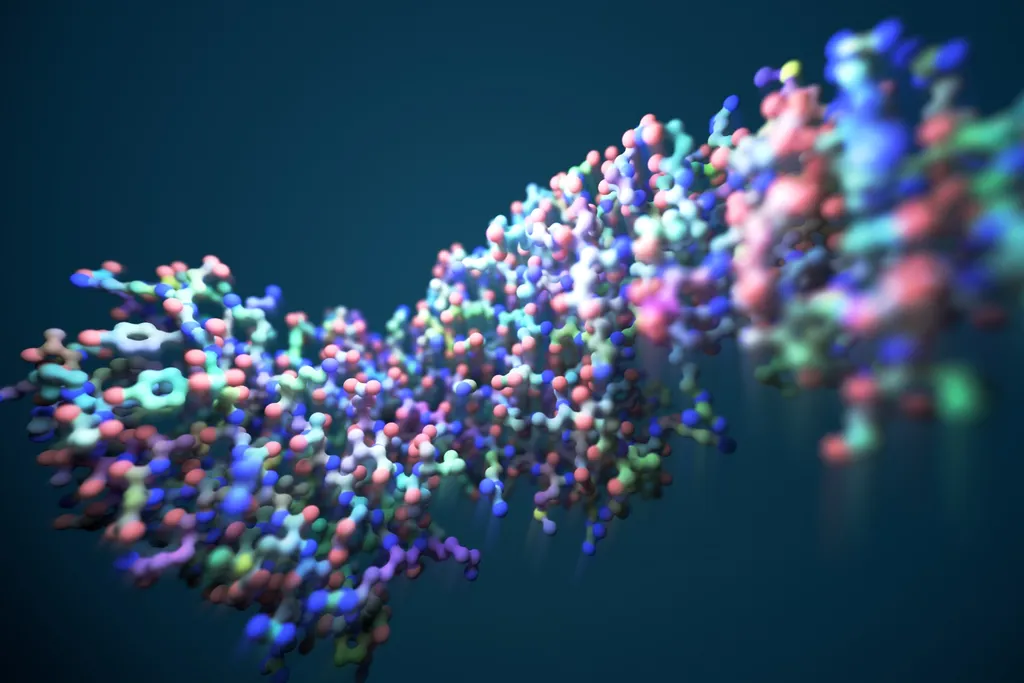
Protein design is an evolving field with significant implications for medicine, technology, and environmental sustainability. It involves creating new proteins by manipulating amino acid sequences, utilizing computational modeling and interdisciplinary knowledge. The applications of protein design are extensive, particularly in medicine and vaccine development.
- ▪Protein design aims to create proteins with specific properties by altering amino acid sequences.
- ▪Computational modeling is a key tool in predicting protein structures and interactions.
- ▪The field has potential applications in developing therapeutics and vaccines.
Opening excerpt (first ~120 words) tap to expand
Protein design is a rapidly changing field at the forefront of science with the potential to revolutionize medicine, technology, and environmental sustainability. But what is protein design, and how does it work? In this post, we will delve into the basics of protein design, explore its real-world applications, and learn about the interdisciplinary nature of this fascinating field. The Building Blocks of Life Proteins are tiny molecules that play an enormous role in biology. They are found inside every living thing and act as structural components, transporters, signaling molecules, and much more. For example, collagen, the most abundant protein in the human body, provides structural integrity to our skin, bones, and connective tissues.
…
Excerpt limited to ~120 words for fair-use compliance. The full article is at Institute for Protein Design – Designing tomorrow.
Discussion
0 comments