Villains Are Just More Interesting Than Heroes (and More F*ckable, If We’re Being Frank)
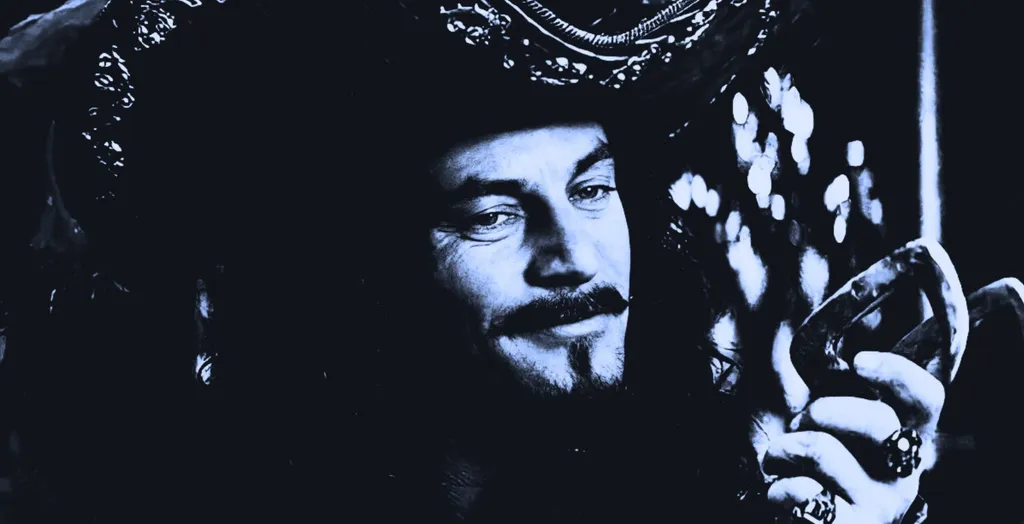
The article explores the fascination with villains in storytelling, particularly highlighting characters like Captain Hook from Peter Pan. It argues that villains often possess more narrative freedom and complexity than heroes, making them more interesting. The author reflects on their personal connection to these characters and the broader appeal of villainy in fiction.
- ▪The author became obsessed with Captain Hook at a young age after seeing the Disney version of Peter Pan.
- ▪Villains are often more interesting than heroes because they have the freedom to act without moral constraints.
- ▪The article discusses how villains can express their flaws and traumas openly, which can be comforting to audiences.
Opening excerpt (first ~120 words) tap to expand
The first character I ever became obsessed with was Captain Hook.Article continues after advertisement I couldn’t have been more than three or four, though I was already weird; I saw the 1953 Disney version of Peter Pan and immediately fell in love in only the way that tiny children can. I read the cardboard-backed children’s book story over and over, until the binding disintegrated. The copy I had was the adaptation by mystery writer Mary V. Carey, titled Peter Pan and Captain Hook. For most of my early childhood I believed this was the true and proper name of the story, which the film had truncated for simplicity’s sake. This made perfect sense to me, since Captain Hook, as the primary villain, deserved equal billing, and was at least as important as the protagonist.
…
Excerpt limited to ~120 words for fair-use compliance. The full article is at Literary Hub.
Discussion
0 commentsMore from Literary Hub