Veolia
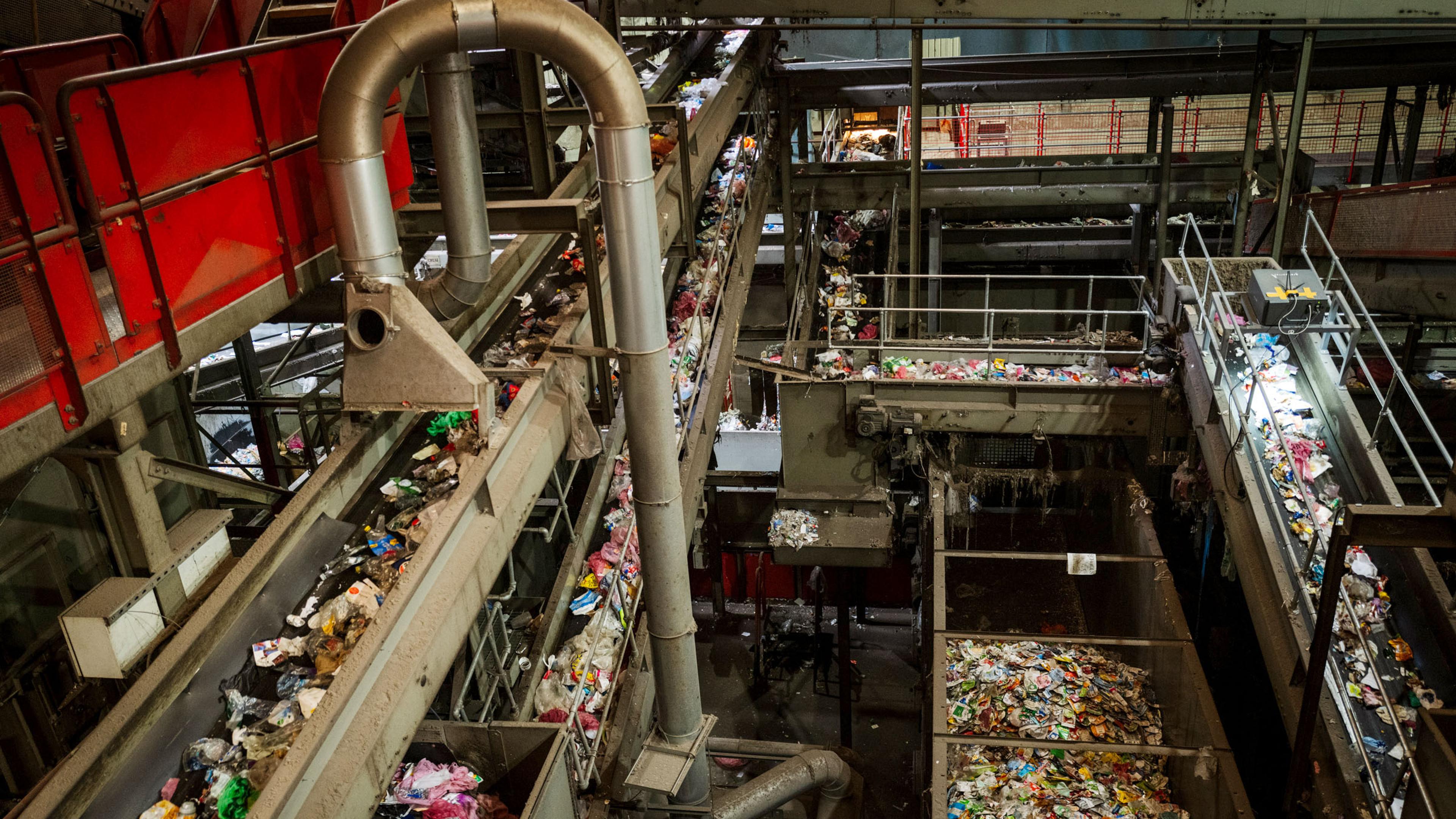
Veolia, a global leader in water services, opened a large PFAS treatment plant in Delaware in 2025 capable of filtering 30 million gallons of water per day for over 100,000 residents. The facility uses advanced technology to break down PFAS by incinerating the filtered contaminants, targeting the strong carbon-fluorine bond. With growing public concern over PFAS, Veolia aims to expand to over 100 treatment sites in the U.S. and generate €1 billion in revenue from micropollutant mitigation by 2030.
- ▪Veolia opened a PFAS treatment plant in Delaware in 2025 that processes 30 million gallons of water per day.
- ▪The plant removes PFAS by filtering and incinerating the contaminants to break the carbon-fluorine bond.
- ▪Veolia treated over 7.6 billion cubic meters of water globally in the past year.
- ▪The company plans to operate more than 100 PFAS treatment sites in the U.S. in the coming years.
- ▪Veolia aims to earn €1 billion from micropollutant mitigation by 2030.
- ▪According to deputy CEO Emmanuelle Menning, effective PFAS regulation, R&D investment, and private sector involvement are essential to addressing the issue.
Opening excerpt (first ~120 words) tap to expand
One of the world's largest water services companies is removing the "forever" from "forever chemicals." Toxic per- and polyfluoroalkyl substances (PFAS), linked to cancers and other illnesses, linger in the environment and can accumulate in the body. In 2025, French firm Veolia flexed its global leadership in PFAS treatment by opening a massive plant in Delaware that filters PFAS from water and incinerates it to break the bond between fluorine and carbon, one of the strongest in chemistry. The plant filters 30 million gallons per day, delivering cleaner drinking water to more than 100,000 residents. Now the company, which treated more than 7.6 billion cubic meters of water last year, is on track to have more than 100 PFAS water treatment sites across the U.S. in the coming years.
…
Excerpt limited to ~120 words for fair-use compliance. The full article is at TIME — Top.
Discussion
0 commentsMore from TIME — Top