Vegetation Moves Upslope Across the Himalayas
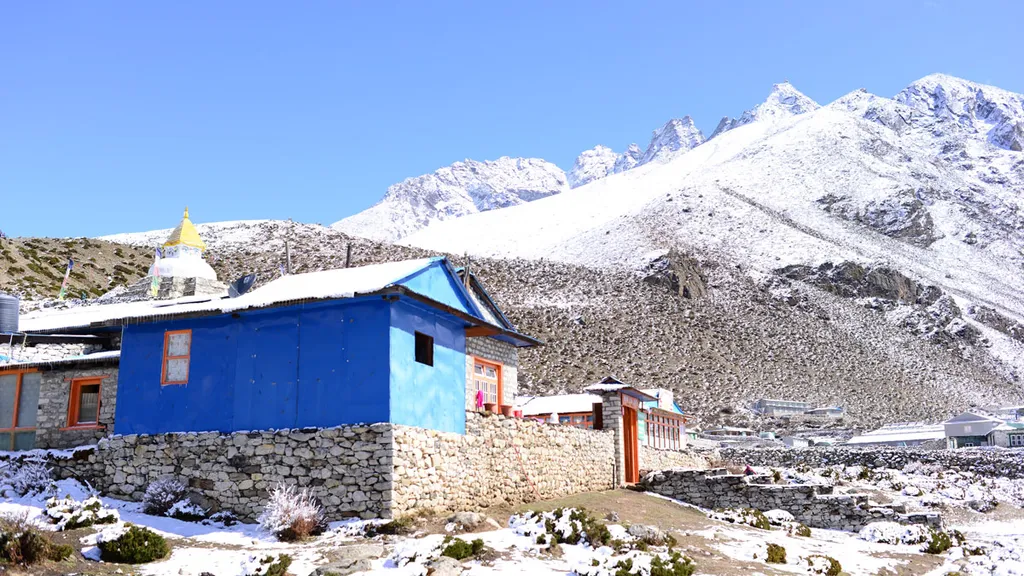
Research indicates that vegetation in the Himalayas is moving upslope due to climate change. An analysis of over two decades of satellite data shows that the vegetation line is rising by several meters per year. This shift has significant implications for the region's hydrology and water resources for the nearly billion people who depend on it.
- ▪The vegetation line in the Himalayas is moving upward, with some areas experiencing increases of up to several meters per year.
- ▪Researchers analyzed satellite data from 1999 to 2022 to assess changes in vegetation elevation across six sites in Bhutan, Nepal, and disputed areas.
- ▪The largest recorded change was in central Nepal, where the vegetation line rose from approximately 5,520 meters to 5,670 meters over the study period.
Opening excerpt (first ~120 words) tap to expand
When it comes to thriving at high elevation, diminutive plants are always a safe bet. And low-lying vegetation is in fact colonizing higher and higher reaches as the climate changes, new results reveal. Researchers analyzed more than 2 decades’ worth of satellite data and showed that the vegetation line in the Himalayas is moving upward, in some cases by up to several meters per year. These changes have implications for the hydrology of the region and therefore for water resources for the population centers located downstream, the team reported last month in Ecography. Mountains and People “If you’re going to understand climate change across the Himalayas, you can’t just look at one location.” This newsletter rocks.
…
Excerpt limited to ~120 words for fair-use compliance. The full article is at Eos.
Discussion
0 commentsMore from Eos