Utah greenlights 9GW AI campus using over twice state electricity
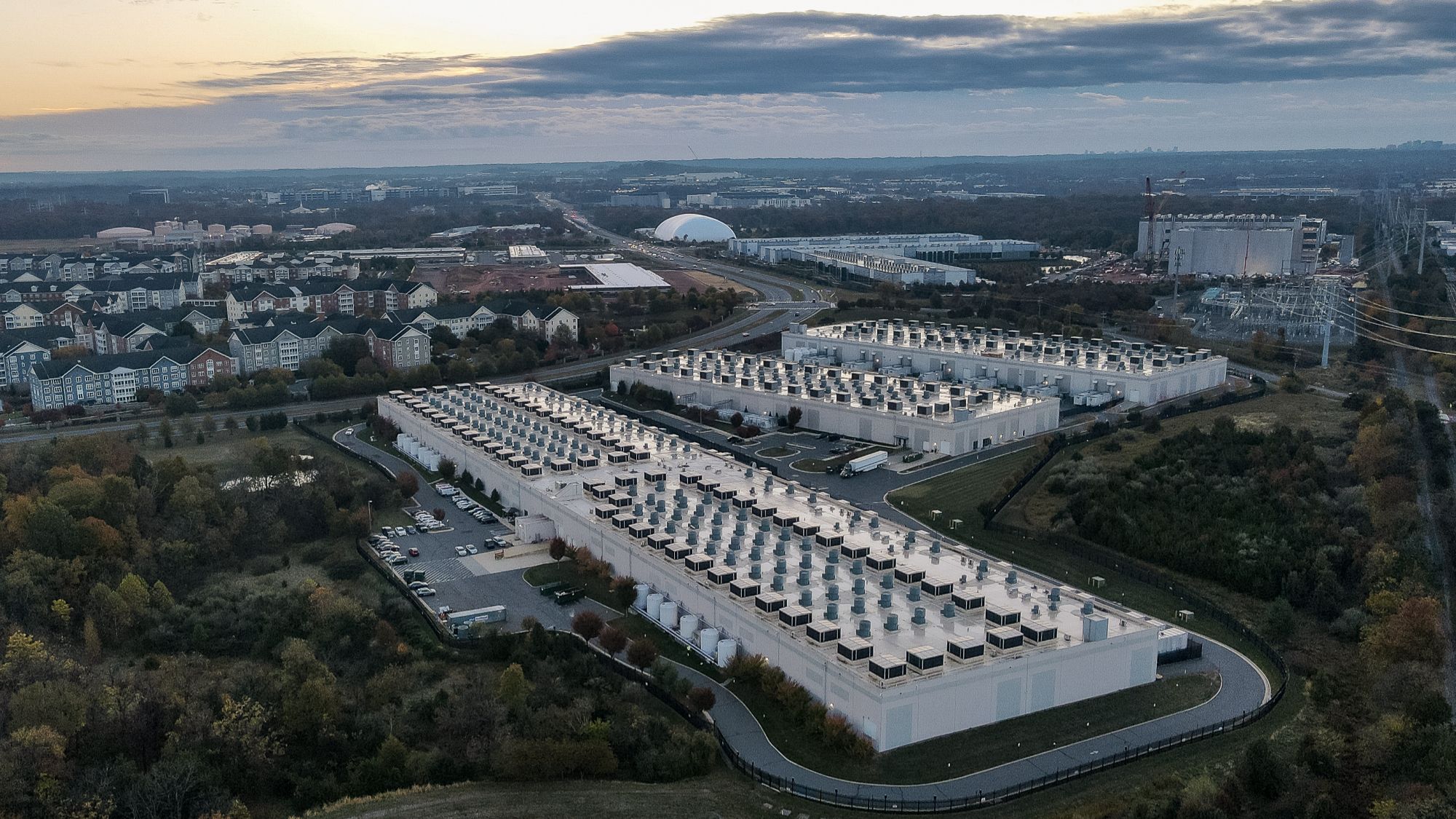
Utah's Military Installation Development Authority has approved a massive 9-gigawatt AI data center campus called Stratos, developed by Kevin O'Leary's O'Leary Digital, which will run entirely off-grid using natural gas and could consume more than double the state's current electricity output. The 40,000-acre project in Box Elder County will connect to the Ruby Pipeline for power and is designed to avoid strain on the public grid. Tax incentives include a reduced energy tax and property tax rebates to attract hyperscale tenants, with projected annual local revenue exceeding $100 million at full capacity. No tenants have been publicly confirmed yet, though major cloud operators like Amazon, Microsoft, and Google are potential candidates.
- ▪The Stratos data center campus in Utah is approved to generate and consume up to 9 gigawatts of power, more than twice the state's current average electricity use of 4 gigawatts.
- ▪The facility will operate entirely off-grid using natural gas supplied via the Ruby Pipeline, with no draw from Utah’s existing power infrastructure.
- ▪Phase 1 of the project will deliver 3 gigawatts of capacity, with full buildout expected to create 2,000 permanent jobs and generate over $100 million annually in property tax revenue for Box Elder County.
- ▪Utah has reduced the project's energy tax from 6% to 0.5% and agreed to rebate 80% of property taxes to O'Leary Digital to attract hyperscale operators.
- ▪Developer O'Leary Digital claims the project is a strategic response to China's rapid AI infrastructure growth, though no tenants have been publicly named.
Full article excerpt tap to expand
Tech Industry New AI data center in Utah will generate and consume more than twice the amount of power the entire state uses — Kevin O'Leary's 9 Gigawatt Utah data center campus approved News By Luke James published 27 April 2026 The 40,000-acre project will run entirely off-grid using natural gas. When you purchase through links on our site, we may earn an affiliate commission. Here’s how it works. (Image credit: Getty) Copy link Facebook X Whatsapp Reddit Pinterest Flipboard Email Share this article 16 Join the conversation Follow us Add us as a preferred source on Google Newsletter Subscribe to our newsletter Utah's Military Installation Development Authority (MIDA) on Friday approved a development agreement for a hyperscale data center campus in Box Elder County that could eventually consume 9 GW of power, more than double the state's current average electricity use of roughly 4 GW, according to the Salt Lake Tribune.The project, dubbed Stratos, is being developed by O'Leary Digital, the infrastructure arm of Shark Tank investor Kevin O'Leary, and would span 40,000 acres of private land plus 1,200 acres of military and state-owned property.Phase 1 alone calls for approximately 3 GW of generation capacity. At full buildout, the campus would reach 9 GW, all produced on-site through a connection to the Ruby Pipeline, a 680-mile interstate natural gas line that crosses northern Utah on its route from Wyoming to Oregon. MIDA executive director Paul Morris told county commissioners that the facility “will not take one electron” from the existing grid and could eventually feed surplus power back into it.Article continues below You may like Data center developers building private natural gas 'Shadow Grid' power plants to sidestep strained grids Planned 10-gigawatt Softbank data center in Ohio might be the largest in the world Meta to fund seven new natural gas power plants to fuel AI data centers — Entergy partnership to deliver 7 gigawatts of power for Louisiana AI facility The off-grid approach places Stratos alongside a growing list of AI-era data center projects that are building their own power generation rather than waiting years for utility connections. SoftBank's planned Ohio campus targets 10 GW using a fleet of gas turbines, while Meta recently committed to funding seven new natural gas plants for a 7 GW facility in Louisiana. O'Leary's project would sit squarely between the two in terms of its raw capacity.O'Leary appeared at the MDIA board meeting by video and made the case that the project is needed in response to China's burgeoning AI infrastructure investments. "China built 400 gigawatts of new power over the last 24 months, and much of it is powering AI data centers," O'Leary told the board, according to the Salt Lake Tribune. "We're in a race with them."To attract hyperscale cloud operators, MIDA cut the project's energy use tax from its standard 6% to 0.5% and agreed to rebate 80% of the property tax revenue generated by the development back to O'Leary Digital. Even at those reduced rates, Morris projected $30 million annually for Box Elder County during the initial phase and over $100 million once the campus reaches full capacity.MIDA projects that state sales tax receipts from the data centers alone would reach $250 million per year, and the development is also expected to create 2,000 permanent jobs in the county following construction. window.sliceComponents = window.sliceComponents || {};…
This excerpt is published under fair use for community discussion. Read the full article at Tom's Hardware.
Discussion
0 commentsMore from Tom's Hardware