Rubio tries to reassure Nato allies over US troop deployments
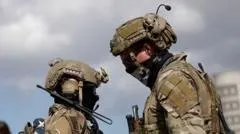
President Donald Trump announced that the US will send an additional 5,000 troops to Poland following a previous cancellation of a planned deployment. This decision is linked to Trump's support for Polish President Karol Nawrocki. The White House has indicated a broader strategy to reduce troop levels in Europe as part of its 'America First' agenda.
- ▪Trump's announcement comes after the Pentagon canceled a planned deployment of 4,000 troops to Poland.
- ▪The additional troops may not be part of the earlier planned deployment, and further details were not provided.
- ▪The US is also withdrawing 5,000 troops from Germany amid tensions with German Chancellor Friedrich Merz.
Opening excerpt (first ~120 words) tap to expand
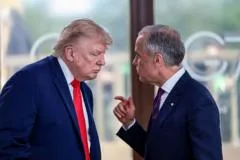
US to send 5,000 more troops to Poland, Trump saysJust nowShareSaveAdd as preferred on GoogleYang TianLuke Sharrett via Getty ImagePresident Donald Trump has said the US will be sending an additional 5,000 troops to Poland, a week after the Pentagon cancelled a planned deployment of 4,000 troops to the country.Writing on Truth Social, Trump said the decision was based on the US's relationship with Polish President Karol Nawrocki, whom he backed during presidential elections last year.The US president did not provide further details on whether the additional troops were part of the previous planned deployment or a different operation.The White House has signalled in recent weeks that it intends to reduce its overall troop levels in Europe as part of its "America First" agenda.Earlier this…
Excerpt limited to ~120 words for fair-use compliance. The full article is at BBC News.
Discussion
0 commentsMore from BBC News