US sanctions Tanzanian police official over 'torture' of rights activists
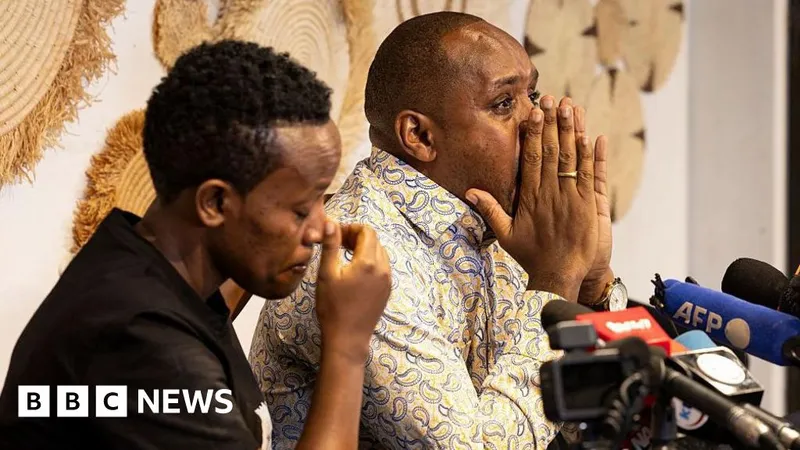
The US has imposed sanctions on Tanzanian police official Faustine Jackson Mafwele due to allegations of his involvement in the torture and sexual assault of rights activists. This action follows a growing concern over Tanzania's human rights record, particularly regarding the treatment of opposition figures. The sanctions mark the first time a senior official from President Samia Suluhu Hassan's administration has faced such measures from the US.
- ▪The US sanctioned Faustine Jackson Mafwele for his alleged role in the torture of activists.
- ▪Activists Boniface Mwangi and Agather Atuhaire reported severe mistreatment while detained in Tanzania.
- ▪The sanctions come amid increasing scrutiny of Tanzania's human rights practices and calls for accountability.
Opening excerpt (first ~120 words) tap to expand
US sanctions Tanzanian police official over 'torture' of rights activists31 minutes agoShareSaveAdd as preferred on GoogleWycliffe Muia,NairobiandAlfred Lasteck,BBC Africa, Dar es SalaamAFP via Getty ImagesActivists Boniface Mwangi (R) and Agather Atuhaire (L) said they were sexually assaulted while in Tanzania detention last year (file photo)The US has sanctioned a senior Tanzanian police official over allegations linked to the "torture and sexual assault" of East African rights activists Boniface Mwangi and Agather Atuhaire last year.In a statement, US Secretary of State Marco Rubio said the State Department had designated Faustine Jackson Mafwele based on "credible information that he was involved in gross violations of human rights".
…
Excerpt limited to ~120 words for fair-use compliance. The full article is at BBC News.
Discussion
0 commentsMore from BBC News