US judge approves Anthropic's $1.5 bil. settlement of copyright lawsuit
3 sources covered this · see comparison → ⚠ Left-only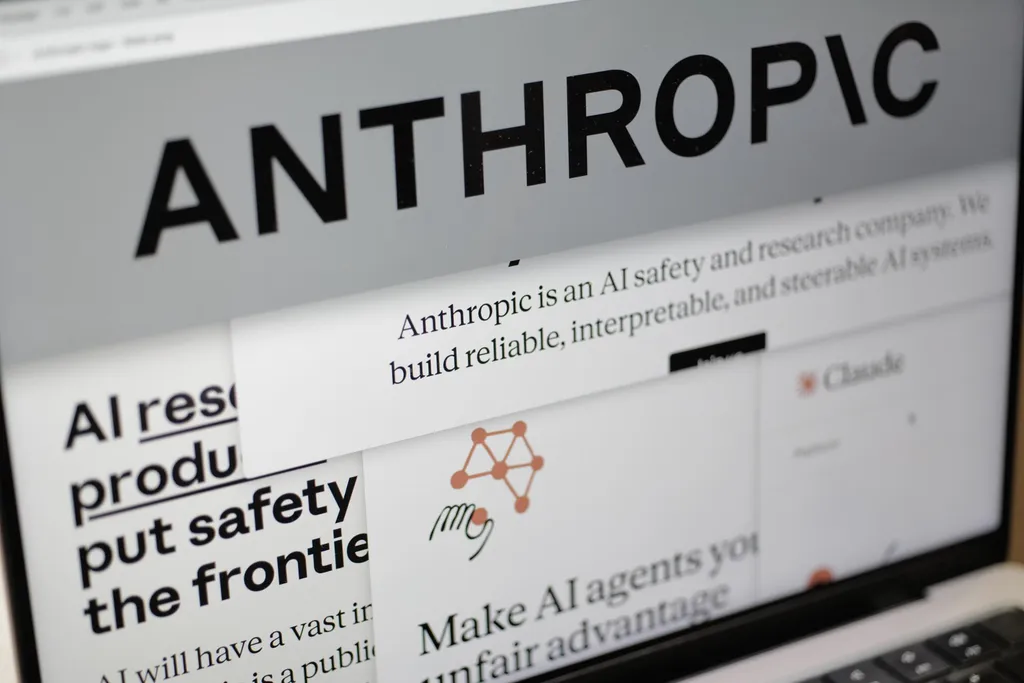
Pages from the Anthropic website and the company's logo are displayed on a computer screen in New York, Feb. AP-Yonhap A federal judge in San Francisco on Monday signed off on artificial intelligence company Anthropic's landmark $1.5 billion settlement of a class action lawsuit brought by a group of authors who accused it of misusing their books to train its AI chatbot Claude.U.S. District Judge Araceli Martinez-Olguin granted final approval of the settlement, the largest known settlement of a U.S. copyright case, rejecting arguments that it was too small.
- ▪Pages from the Anthropic website and the company's logo are displayed on a computer screen in New York, Feb.
- ▪AP-Yonhap A federal judge in San Francisco on Monday signed off on artificial intelligence company Anthropic's landmark $1.5 billion settlement of a class action lawsuit brought by a group of authors who accused it of misusing their books t
- ▪District Judge Araceli Martinez-Olguin granted final approval of the settlement, the largest known settlement of a U.S. copyright case, rejecting arguments that it was too small.
Opening excerpt (first ~120 words) tap to expand
Pages from the Anthropic website and the company's logo are displayed on a computer screen in New York, Feb. 26. AP-Yonhap A federal judge in San Francisco on Monday signed off on artificial intelligence company Anthropic's landmark $1.5 billion settlement of a class action lawsuit brought by a group of authors who accused it of misusing their books to train its AI chatbot Claude.U.S. District Judge Araceli Martinez-Olguin granted final approval of the settlement, the largest known settlement of a U.S. copyright case, rejecting arguments that it was too small. The case is one of dozens brought by copyright owners including authors and news outlets against tech companies over the training of their large language models, and the first major U.S. case to settle.
…
Excerpt limited to ~120 words for fair-use compliance. The full article is at Korea Times.
Discussion
0 commentsMore from Korea Times