US imposes sanctions on DR Congo ex-President Kabila alleging rebel support
4 sources covered this · see comparison →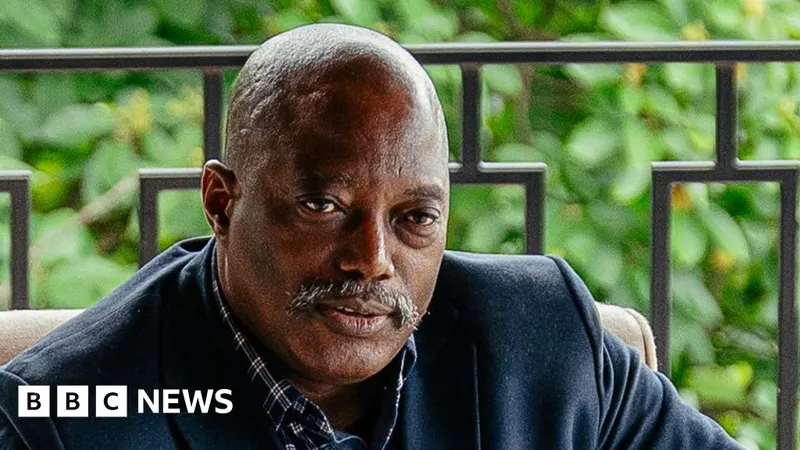
The US has imposed sanctions on former Democratic Republic of Congo President Joseph Kabila, accusing him of supporting the M23 rebel group through financial aid and encouraging army defections. The sanctions freeze Kabila's US assets and prohibit American individuals or companies from engaging in business with him, as part of broader efforts to uphold a peace deal between DR Congo and Rwanda. Kabila, who has not publicly responded to the allegations, is also wanted in DR Congo, where he was sentenced to death in absentia for war crimes and treason.
Opening excerpt (first ~120 words) tap to expand
US imposes sanctions on DR Congo ex-President Kabila alleging rebel support7 minutes agoShareSaveAdd as preferred on GoogleEmery Makumeno,BBC Africa, KinshasaandDamian ZaneAFP via Getty ImagesJoseph Kabila's current whereabouts are unknown but he went into self-imposed exile in South Africa in 2023The US has imposed sweeping sanctions on former Democratic Republic of Congo President Joseph Kabila, accusing him of backing the M23 rebel group.Washington alleges he provided financial support, encouraged defections from the Congolese army and even "sought to launch attacks" on the military from outside the country.The 54-year-old ex-president, who led DR Congo for 18 years from 2001, has not responded to a BBC request for comment.The US said these latest sanctions were part of a wider effort…
Excerpt limited to ~120 words for fair-use compliance. The full article is at BBC News.
Discussion
0 commentsMore from BBC News