United Arab Emirates quits OPEC as Iran war raises gulf tensions
The United Arab Emirates announced it is leaving OPEC, a move likely paving the way for increased oil production amid heightened Gulf tensions due to the ongoing conflict with Iran. The UAE, OPEC's third-largest oil producer, said it would gradually increase output in line with market demand despite disruptions in the Strait of Hormuz. Oil prices surged, with U.S. crude surpassing $100 per barrel and Brent approaching $113, as supply concerns mount. Analysts warn the exit could weaken OPEC structurally, while airlines and fuel markets feel the strain of disrupted supplies.
Full article excerpt tap to expand
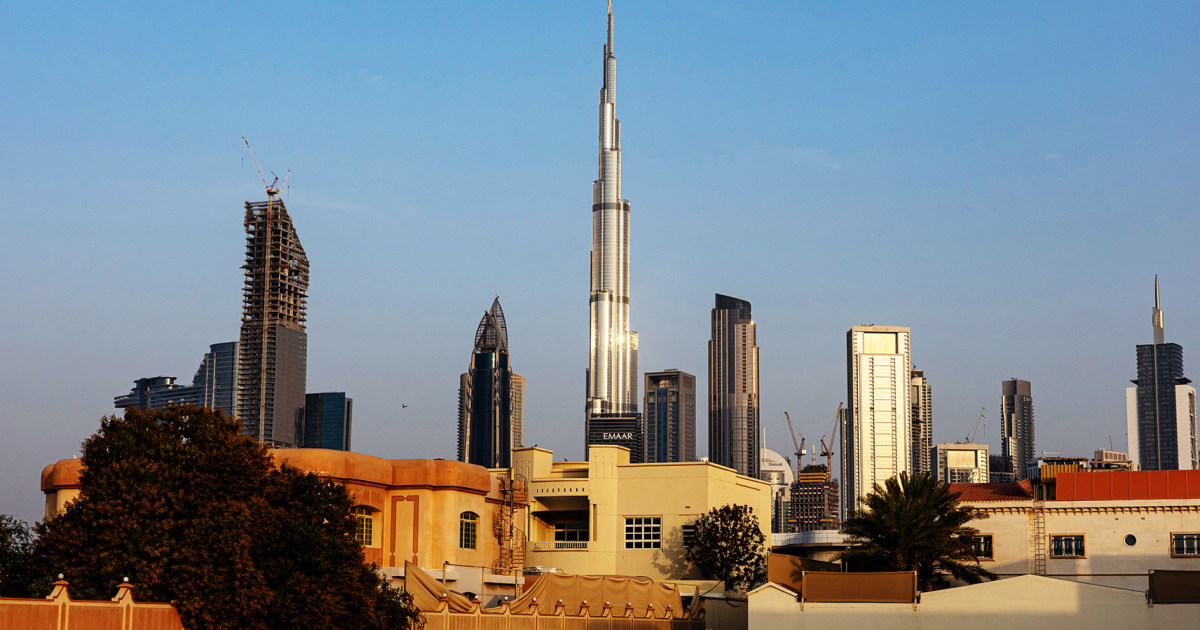
EnergyUnited Arab Emirates quits OPEC as Iran war raises Gulf tensions The UAE is the third largest oil producer in OPEC, behind Saudi Arabia and Iraq. Leaving the group is likely a precursor to increasing oil production.Listen to this article with a free account00:0000:00The Dubai skyline, including the Burj Khalifa skyscraper, center, in the United Arab Emirates. Christopher Pike / Bloomberg via Getty Images fileShareAdd NBC News to GoogleApril 28, 2026, 8:46 AM EDT / Updated April 28, 2026, 9:27 AM EDTBy Steve KopackThe United Arab Emirates said Tuesday that it would leave OPEC, the Organization of the Petroleum Exporting Countries, which coordinates oil output among leading energy producing nations. Subscribe to read this story ad-free Get unlimited access to ad-free articles and exclusive content.The departure from OPEC will likely lead the UAE to boosting energy output. Although with the Strait of Hormuz closed, it's not clear how fast any increased production would be able to reach global markets."Following its exit, the UAE will continue to act responsibly, bringing additional production to market in a gradual and measured manner, aligned with demand and market conditions," its state-run news agency said.In recent years, the UAE's oil output was the third largest in OPEC, behind only Saudi Arabia and Iraq. While Abu Dhabi had joined OPEC in 1967, the full United Arab Emirates has been a member since its creation as a sovereign nation in 1971.“While near-term volatility, including disruptions in the Arabian Gulf and the Strait of Hormuz, continues to affect supply dynamics, underlying trends point to sustained growth in global energy demand over the medium to long term,” the UAE added in the statement posted to the website of its state-run news agency, using a name that some Arab nations use to refer to the Persian Gulf. “The UAE withdrawal marks a significant shift for OPEC,” Rystad energy analyst Jorge Leon said. “While near-term effects may be muted given ongoing disruptions in the Strait of Hormuz, the longer-term implication is a structurally weaker OPEC.”Meanwhile, the price of U.S. crude oil surpassed $100 per barrel for the first time since April 10, after peace talks with Iran failed to show meaningful progress.After breaking above $100, which is seen by analysts as a resistance threshold, U.S. West Texas Intermediate crude rose to nearly $102 per barrel in early morning trading.International oil benchmark Brent also jumped sharply in early trading, rising to nearly $113 per barrel.On Tuesday, the nationwide average price per gallon of gasoline was $4.18, its highest level this year so far, according to AAA.After President Donald Trump announced a ceasefire with Iran on April 7, the price of Brent plunged more than 17% by April 17, when Iran said the Strait of Hormuz was open to commercial vessels.Once that turned out not to be the case, prices resumed climbing again.On Saturday, Trump called off special envoy Steve Witkoff and his son-in-law Jared Kushner’s trip to Pakistan to meet with the Iran delegation, leaving in place the U.S. Navy's blockade on Iranian ports. Iran has also threatened to stop ships trying to exit the Strait of Hormuz during this stalemate with the U.S. On Sunday, Goldman Sachs raised its forecast for where the price of oil would likely be around by the end of the year. It also pushed back its forecast for when it expects Persian Gulf crude oil exports to normalize to the end of June.…
This excerpt is published under fair use for community discussion. Read the full article at NBC News Business.
Discussion
0 commentsMore from NBC News Business