UAE will leave OPEC in blow to oil cartel
The United Arab Emirates announced it will leave OPEC effective May 1, marking a significant change for the oil cartel. This decision comes as the UAE seeks to increase its oil production capacity, which it believes has been limited by OPEC's production quotas. The UAE's departure is expected to weaken OPEC's influence over global oil supplies and prices.
- ▪The UAE is OPEC's third-largest producer, and its exit will reduce the cartel's leverage in the oil market.
- ▪The UAE plans to increase its oil production capacity, which it feels has been restricted by OPEC quotas.
- ▪Tensions between the UAE and Saudi Arabia have been rising, impacting their cooperation within OPEC.
Opening excerpt (first ~120 words) tap to expand
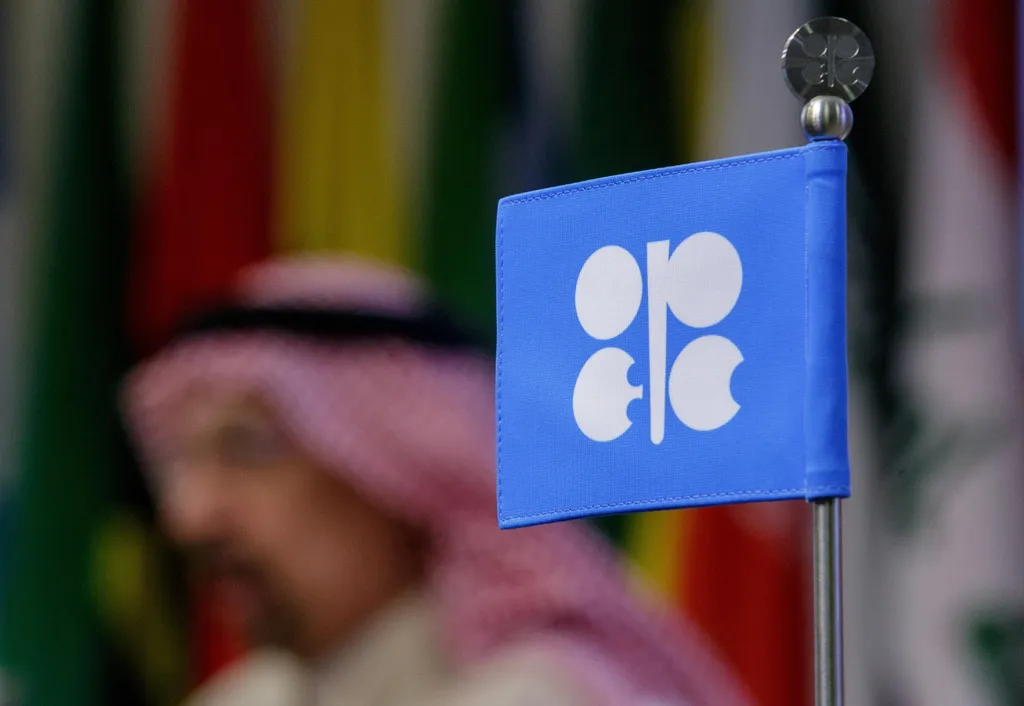
Khalid Al-Falih, then president of the the Organization of Petroleum Exporting Countries (OPEC) conference and Saudi Arabia's energy minister, is seen behind a OPEC logo during news conference at the headquarters of the OPEC in Vienna, Austria, Nov. 30 2017. EPA-YonhapDUBAI — The United Arab Emirates said Tuesday it will leave OPEC effective May 1, stripping the oil cartel of its third-largest producer and further weakening its leverage over global oil supplies and prices.The UAE's decision had been rumored as a possibility for some time, as it pushed back in recent years against OPEC production quotas it felt had been too low — meaning it wasn't able to sell as much oil to the world as it had wanted.“Having invested heavily in expanding energy production capacity in recent years, the…
Excerpt limited to ~120 words for fair-use compliance. The full article is at Korea Times.
Discussion
0 commentsMore from Korea Times