UAE exits OPEC: What is OPEC+, its members, and what does the bloc do?
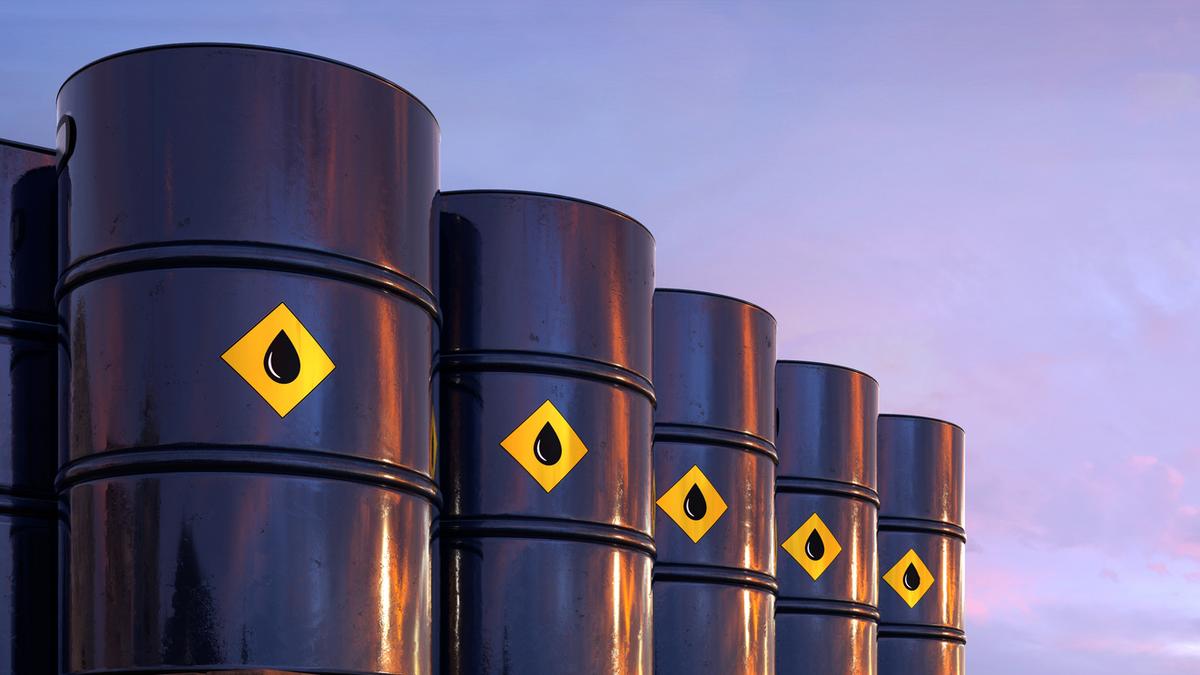
The United Arab Emirates announced its withdrawal from OPEC+ effective May 1, 2026, marking a significant development for global oil markets. The decision comes amid heightened geopolitical tensions due to the Iran-Israel-US conflict. OPEC+, which includes OPEC members and allied producers like Russia, accounted for nearly 50% of global oil production in 2025, according to the International Energy Agency.
- ▪The UAE announced its exit from OPEC+ on April 28, 2026, with the withdrawal taking effect on May 1.
- ▪The UAE's departure from OPEC+ is notable amid ongoing geopolitical tensions involving Iran, Israel, and the United States.
- ▪OPEC+ produced nearly 50% of the world’s oil and oil liquids in 2025, according to the International Energy Agency.
- ▪OPEC+ is a coalition of the Organization of the Petroleum Exporting Countries and allied oil-producing nations, including Russia.
Opening excerpt (first ~120 words) tap to expand
The United Arab Emirates (UAE) announced on Tuesday (April 28, 2026) that effective May 1 it will leave OPEC+ — an alliance of oil-producing countries — in a move seen as a major determinant of both short-term and long-term crude oil prices. The exit is especially notable because it comes amid the Iran-Israel-US war.The Organisation of the Petroleum Exporting Countries (OPEC) and allies, including Russia, are collectively known as OPEC+. In 2025, the bloc produced nearly 50% of the world’s oil and oil liquids, according to the International Energy Agency.
Excerpt limited to ~120 words for fair-use compliance. The full article is at The Hindu — Top.
Discussion
0 commentsMore from The Hindu — Top