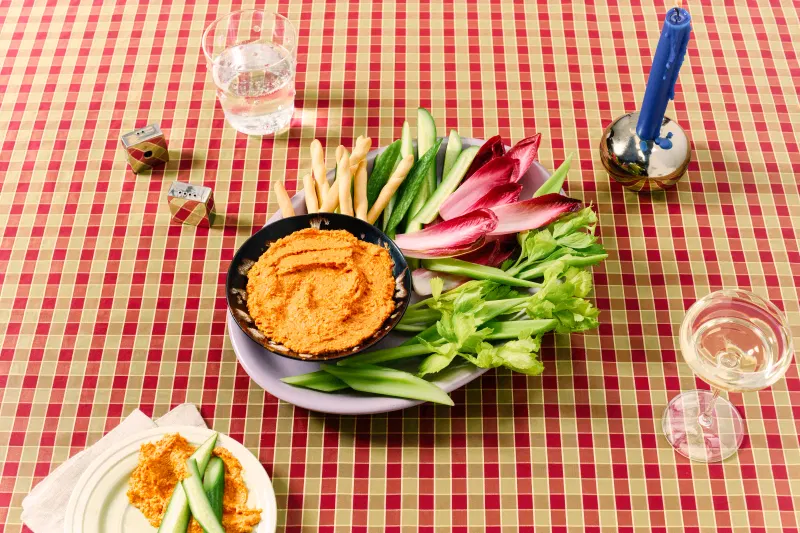
Types of Olives Explained: Castelvetrano, Kalamata, Manzanilla, and More

The article outlines the major olive varieties available in the United States, describing their origins, flavors, and typical uses. It explains the difference between green and black olives and highlights how curing methods affect taste and texture. Practical suggestions are given for incorporating each type into cooking, snacking, and cocktails.
- ▪Olives have been cultivated for roughly 8,000 years, and trees can remain productive for centuries in hot, dry climates across the Mediterranean and beyond.
- ▪Green olives are harvested earlier and retain a milder flavor, while black olives ripen longer on the tree, developing deeper colors and stronger tastes.
- ▪Common varieties include Arbequina (nutty, often used for oil), Castelvetrano (mild and meaty), Beldi (salty Moroccan black olives), and Gaeta (tangy, smoky purple olives).
- ▪Each olive type is suited to specific applications, such as Castelvetrano and Cerignola for martinis, Beldi for salads, and Arbequina for charcuterie boards.
- ▪The article also notes that polyphenols and other compounds contribute to the olives’ flavor profile and potential health benefits.
Opening excerpt (first ~120 words) tap to expand
CookingA Guide to Olive Varieties for Cooking, Snacking, and Martini-ingHere’s how to use the most popular types of olives, from buttery Castelvetranos to briny Kalamatas.By Emily SaladinoJune 25, 2026Photo by Travis Rainey, Food Styling by Kaitlin Wayne, Prop Styling by Christine KeelyThere are hundreds of types of olives in this big, briny world. Rare and widely cultivated varieties of the fruit—yes, fruit—abound at supermarkets and specialty grocers. Devotees wax poetic as they toss their favorites into pastas and salads, bake them into savory breads, and load up dirty martinis until their coupes runneth over.In this storyAccordionItemContainerButtonLargeChevronGreen olives vs.
…
Excerpt limited to ~120 words for fair-use compliance. The full article is at Bon Appétit.
Discussion
0 commentsMore from Bon Appétit