Turkish Drones Are Quietly Redrawing Africa’s Security Map
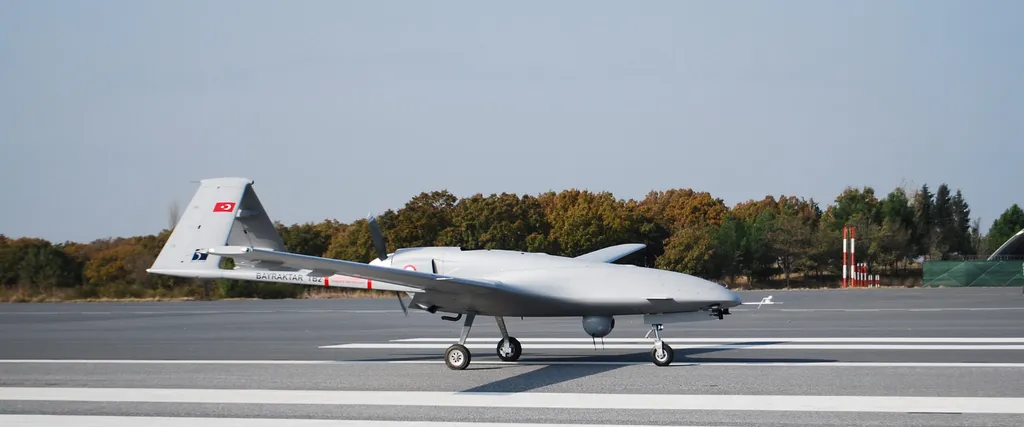
Turkey's Bayraktar TB2 drones have become a prominent component of the militaries of about eleven African countries, with roughly 143 units recorded. The rapid acquisition of these systems, especially over the past five years, has expanded Ankara's influence on the continent, rivaling that of other major powers. Human‑rights groups have raised concerns about civilian casualties linked to Turkish‑made drones, notably in Sudan, while some deals involve exchanges for mining and energy concessions.
- ▪Turkey's Bayraktar TB2 is operated by around eleven African states, including Angola, Burkina Faso, Djibouti, Ethiopia, Kenya, Mali, Morocco, Niger, Nigeria, Somalia, Togo and Tunisia, totaling about 143 units.
- ▪More than half of all recorded African drone purchases have occurred in the five years leading up to 2026, marking the fastest militarisation of this technology on the continent.
- ▪Turkey and Niger signed a protocol in April 2026 to embed Turkish advisers within Niger's drone fleet, deepening operational cooperation.
- ▪Analysts note that some Turkish drone deals are linked to arms and training exchanges for mining and energy concessions, while rights groups warn of civilian harm from drone strikes, such as those reported in Sudan.
Opening excerpt (first ~120 words) tap to expand
Africa Western Africa Turkish Drones Are Quietly Redrawing Africa’s Security Map By Amina Diarra · June 26, 2026 · 5 min read Daily Brief The morning intel from across Latin America. Free. Subscribe By subscribing you agree to our privacy policy. We never share your email. AFRICA · DEFENCE & SECURITY Key Facts —Wide reach: Turkey’s Bayraktar TB2 is now flown by about 11 African states, with roughly 143 units recorded, according to defence trackers cited by Small Wars Journal. —Long client list: Baykar counts Angola, Burkina Faso, Djibouti, Ethiopia, Kenya, Mali, Morocco, Niger, Nigeria, Somalia, Togo and Tunisia among its African buyers.
…
Excerpt limited to ~120 words for fair-use compliance. The full article is at The Rio Times.
Discussion
0 commentsMore from The Rio Times