‘Turkana has always adapted to change’: Interview with environmentalist Ikal Angelei
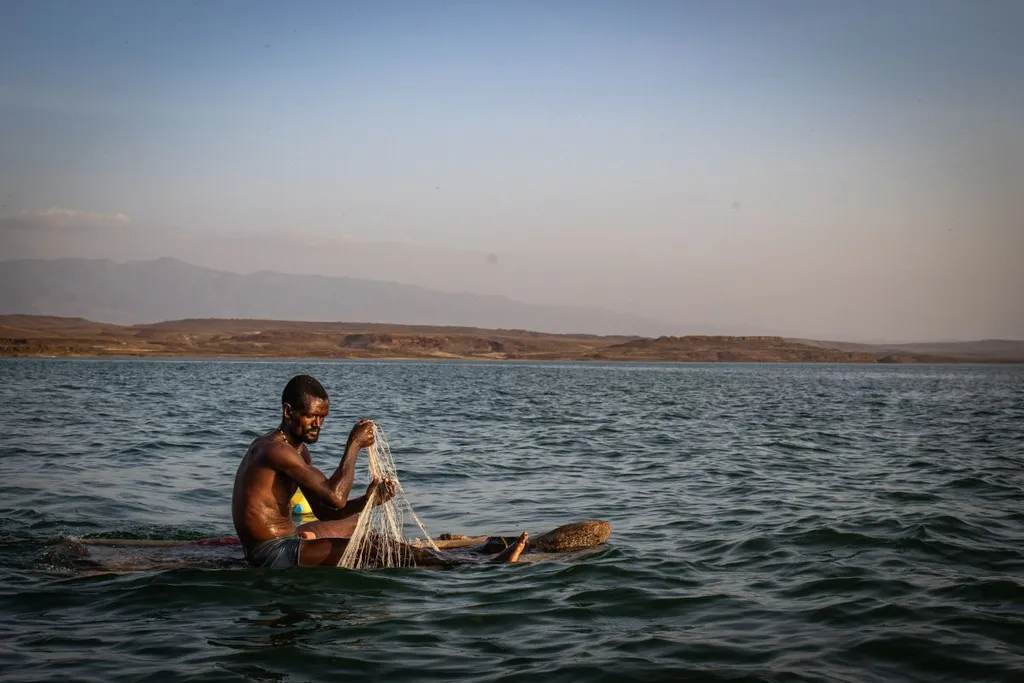
Lake Turkana in northern Kenya faces significant challenges due to climate change and resource conflicts. Local communities have historically adapted their livelihoods, but increasing pressures threaten their traditional ways of life. Environmentalist Ikal Angelei emphasizes the need for justice and sustainable practices to support these communities.
- ▪Lake Turkana has seen a shift in local livelihoods from pastoralism to fishing and farming due to environmental changes.
- ▪The region is experiencing intensified climate patterns and resource conflicts that threaten local communities.
- ▪Ikal Angelei founded Friends of Lake Turkana to advocate for the rights of those affected by the Gibe III Dam project.
Opening excerpt (first ~120 words) tap to expand
Local livelihoods around Kenya’s Lake Turkana have long shifted between pastoralism, fishing, farming and trade as people adapted to a landscape defined by fluctuation.But as the scale and intensity of erratic climate patterns, mounting pressure on its fisheries, and conflict over resources has increased, their space has shrunk.The lake has long been a place where the poorest could make a living, but as the economic value of resources here increases, there is a risk that they will be pushed out by those better placed to access infrastructure and opportunities.See All Key Ideas (function($) { $(document).ready(function() { const bulletPoints = $('.bulletpoints'); const toggle = $('.bulletpoints-wrapper .content-expander'); if (bulletPoints.length > 0) { const bulletPointsHeight =…
Excerpt limited to ~120 words for fair-use compliance. The full article is at Mongabay — News.
Discussion
0 commentsMore from Mongabay — News