Trump-Xi summit reset cause for concern in Indonesia
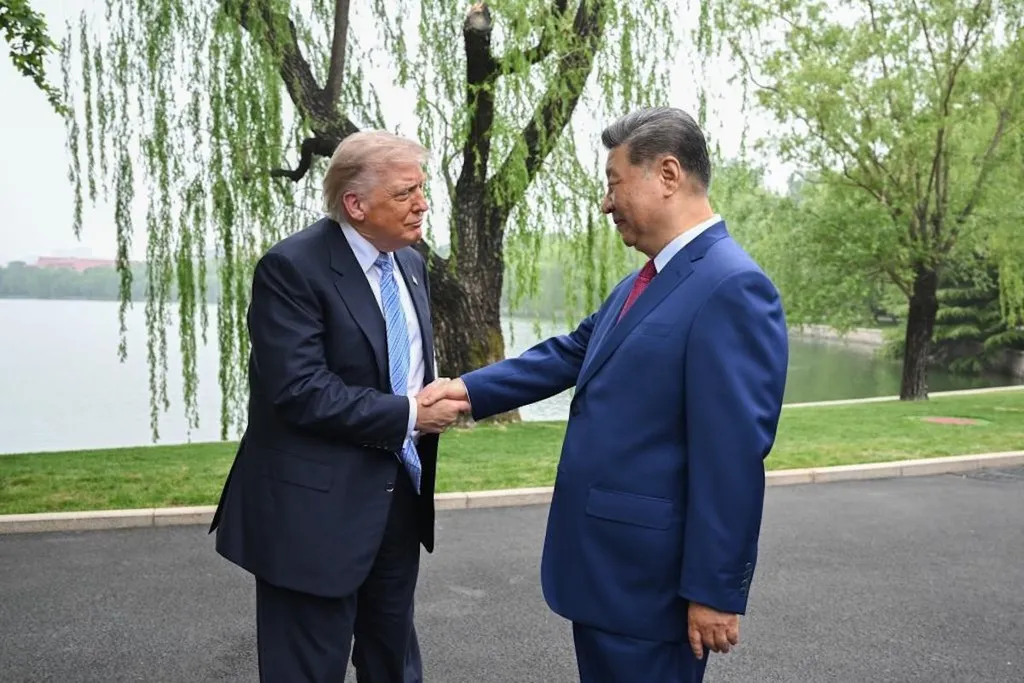
The recent Trump-Xi summit in Beijing highlighted the complexities of US-China relations, raising concerns for Indonesia and Southeast Asia. While Trump left with optimistic rhetoric, Xi Jinping appeared to gain strategic advantages, particularly regarding Taiwan and maritime issues. The summit's focus on 'constructive strategic stability' may overshadow regional disputes, complicating Indonesia's foreign policy of nonalignment and strategic autonomy.
- ▪The summit was characterized by a lack of concrete achievements for the US, while China secured several strategic victories.
- ▪Xi Jinping warned Trump about the dangers of mishandling Taiwan, a topic Trump chose not to publicly address afterward.
- ▪Indonesia's strategic environment may weaken if US-China relations prioritize stability over addressing regional maritime disputes.
Opening excerpt (first ~120 words) tap to expand
The Trump-Xi summit in Beijing was supposed to signal a new phase of calmer US-China relations. Instead, it exposed a deeper reality that should concern Indonesia and much of Southeast Asia, as stability between great powers can sometimes come at the expense of middle powers. Donald Trump left Beijing with warm words but very few concrete achievements. Xi Jinping, by contrast, appeared to secure several strategic victories. Reuters described the summit as producing “stability and stalemate” — a diplomatic reset heavy on symbolism but light on substance. Behind closed doors, Xi reportedly warned Trump that mishandling Taiwan could push the relationship into a “dangerous” conflict. Trump notably declined to publicly comment on the issue afterward.
…
Excerpt limited to ~120 words for fair-use compliance. The full article is at Asia Times.
Discussion
0 commentsMore from Asia Times