Trump Loves Accusing Critics of Treason. U.S. Law Makes That Charge Hard To Prove—for Good Reason.
President Trump has frequently accused critics of treason and sedition, particularly targeting six Democratic Congress members for a video urging military personnel to refuse illegal orders. U.S. law defines treason and sedition narrowly, making it difficult to substantiate such charges against dissenters. This pattern of behavior raises concerns about the implications of broadly interpreting these terms in a democratic society.
- ▪Trump accused Democratic legislators of committing seditious behavior for a video reminding military personnel of their duty to refuse illegal orders.
- ▪The U.S. Constitution defines treason very narrowly, requiring specific criteria to be met for a conviction.
- ▪There is no standalone crime of sedition in U.S. law, and the actions of the legislators did not meet the legal definitions of treason or sedition.
Opening excerpt (first ~120 words) tap to expand
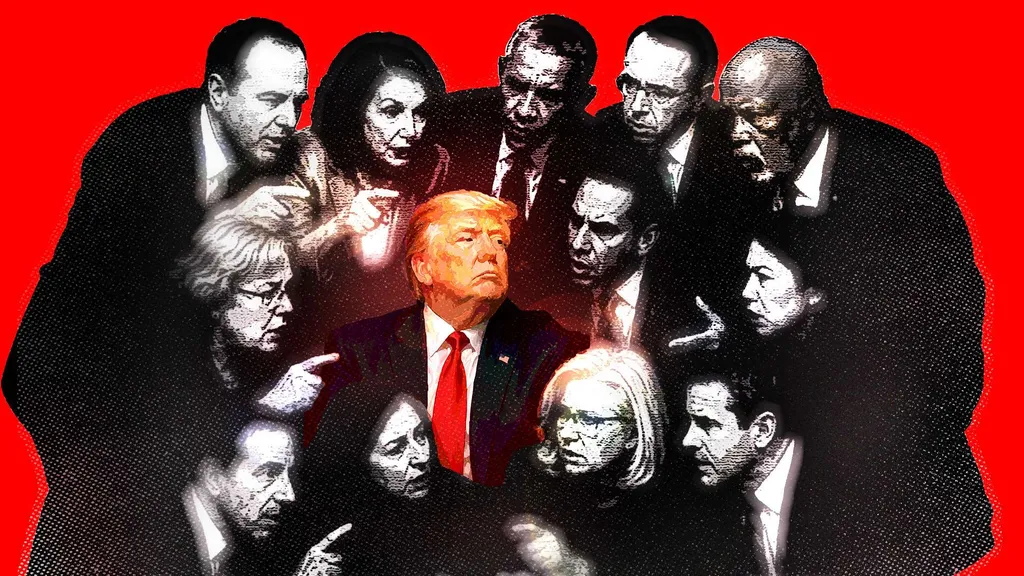
First Amendment Trump Loves Accusing Critics of Treason. U.S. Law Makes That Charge Hard To Prove—for Good Reason. The president’s habitual attempts to criminalize dissent hark back to tyrants of yore. Jacob Sullum | 5.30.2026 8:00 AM Share on FacebookShare on XShare on RedditShare by emailPrint friendly versionCopy page URL Add Reason to Google Media Contact & Reprint Requests <img src="https://d2eehagpk5cl65.cloudfront.net/img/c800x450-w800-q80/uploads/2026/05/Trump-illustration-5-29-1-800x450.jpg" style="max-width: 100%; height: auto" width="1200" height="675" title="An illustration of Donald Trump surrounded by some of his critics, such as Barack Obama, Nancy Pelosi, Liz Cheney, and Adam Schiff" alt="An illustration of Donald Trump surrounded by some of his critics, such as Barack…
Excerpt limited to ~120 words for fair-use compliance. The full article is at Reason Magazine.
Discussion
0 commentsMore from Reason Magazine