Thousands Could Be Forced Into Unpaid Labor in Louisiana Under New Bill
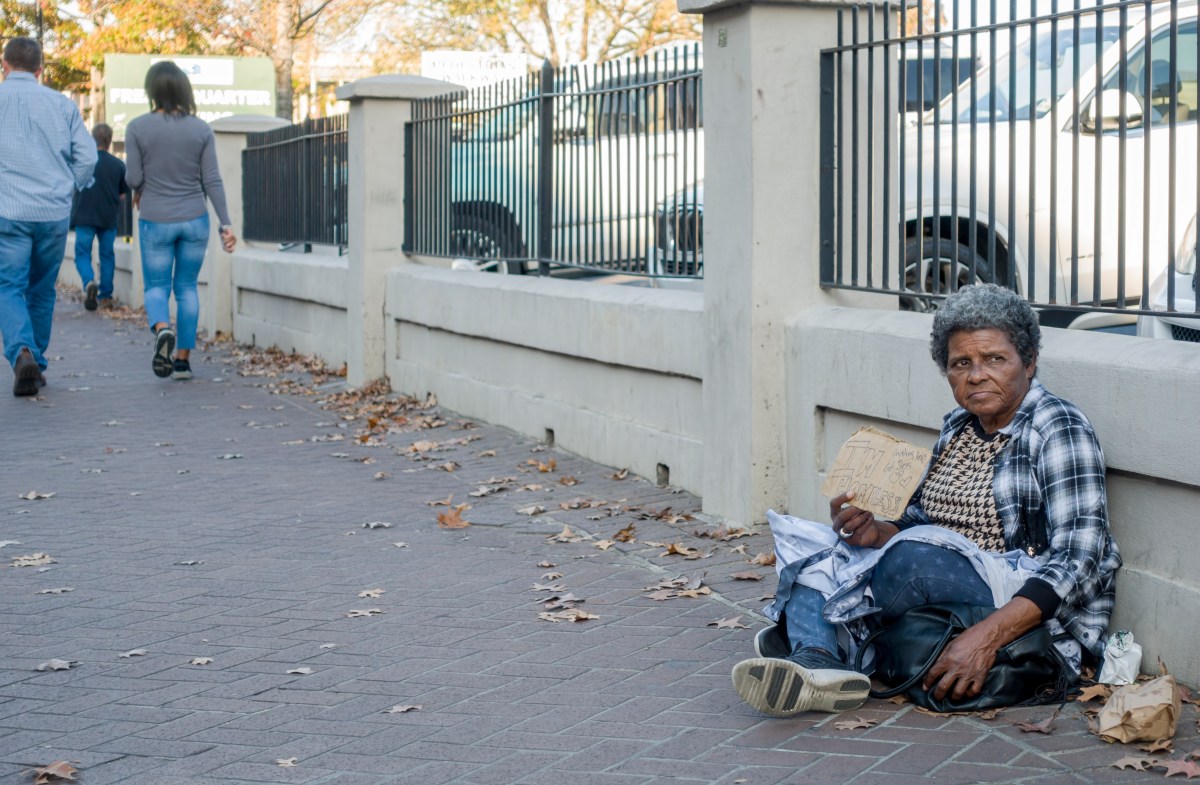
A Louisiana bill advancing through the state legislature could punish unhoused people with fines, jail time, or unpaid labor for sleeping outdoors. Critics argue the legislation criminalizes poverty and creates a coercive system where people must work off unaffordable treatment program costs. Supporters claim it will direct individuals toward services, but opponents warn it may worsen cycles of homelessness. The bill has passed the House and now moves to the Senate for further review.
- ▪House Bill 211 would make it a crime to sleep or camp in unauthorized public areas, with penalties including jail time, fines, and potential unpaid labor.
- ▪First-time offenders could face up to six months in jail and a $500 fine, while repeat convictions could lead to two years in prison and $1,000 fines.
- ▪Defendants can avoid jail by entering a 12-month treatment program, but if they cannot pay for it, courts may require unpaid labor to cover costs.
- ▪Advocates and experts warn the bill criminalizes poverty, creates debt traps, and could disproportionately harm those lacking housing or mental health care.
- ▪An estimated 3,469 people experienced homelessness in Louisiana on a single night in 2024, according to federal data.
Opening excerpt (first ~120 words) tap to expand
By Suzanne BlakeReporter, Consumer & Social TrendsShareNewsweek is a Trust Project memberSee more of our trusted coverage when you search.Prefer Newsweek on Googleto see more of our trusted coverage when you search.A controversial bill advancing through the Louisiana Legislature could subject unhoused people to fines, jail time or even unpaid labor if they are found sleeping outdoors.The legislation has sparked sharp backlash from civil rights groups and homelessness advocates who warn it would effectively criminalize poverty.Under House Bill 211, which was authored by Representative Debbie Villio, a Republican from Kenner, it would be a crime to sleep or camp in unauthorized public areas. Why It MattersSupporters frame the proposal as a way to connect people to treatment and services.
…
Excerpt limited to ~120 words for fair-use compliance. The full article is at Newsweek.
Discussion
0 commentsMore from Newsweek