Thom Tillis: Free markets built American prosperity. Government intervention puts it at risk
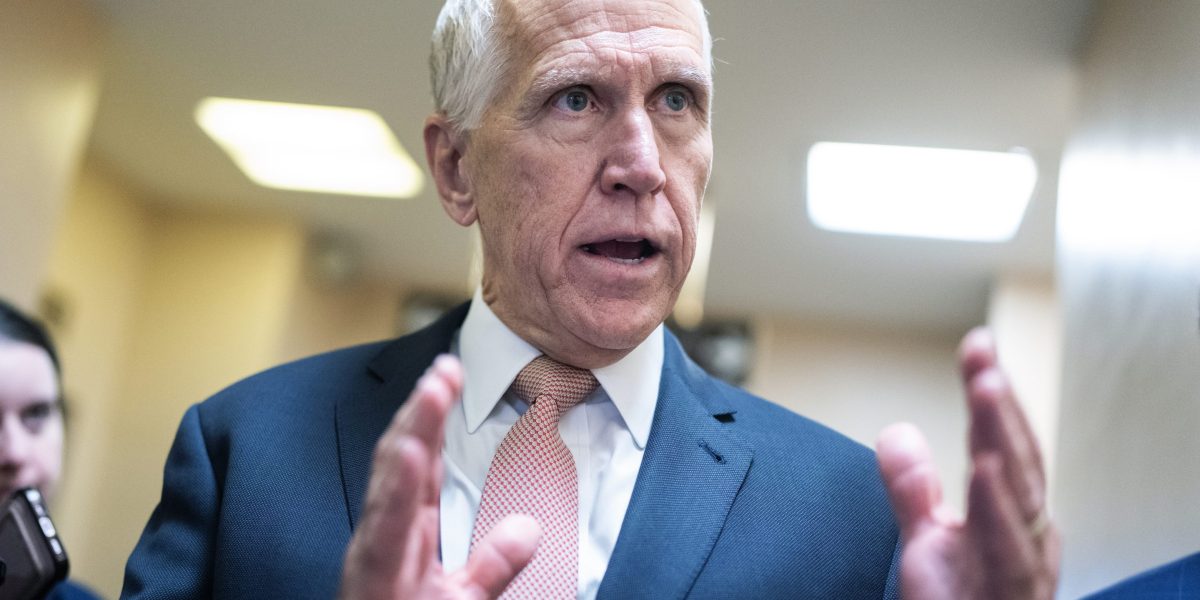
Senator Thom Tillis argues that government intervention in markets, such as restricting institutional home buying or imposing drug price controls, risks undermining American prosperity by discouraging investment and innovation. He warns that centralizing decision-making in areas like pharmaceutical research and housing reduces efficiency and consumer choice, citing historical examples like the Bayh-Dole Act as proof of market-driven success. Instead of adopting centralized policies, Tillis advocates for reducing regulatory barriers and maintaining free-market principles to sustain economic growth and competitiveness.
Opening excerpt (first ~120 words) tap to expand
In times of uncertainty, the pressure to “do something” is real. But too often, that instinct leads policymakers to turn to government intervention that risks undermining the very system that has driven American prosperity. Recommended Video From housing to health care, policymakers are increasingly turning to centralized solutions that replace political judgment with market forces. Conservatives have long understood the risk: government intervention shifts decision-making from markets to bureaucrats, discouraging investment and ultimately leaving consumers worse off. Take housing. The Senate recently passed legislation that would restrict institutional investment in single-family rental housing.
…
Excerpt limited to ~120 words for fair-use compliance. The full article is at Fortune.
Discussion
0 commentsMore from Fortune