There’s No Place Like NASA’s New X-59 Hangar Home
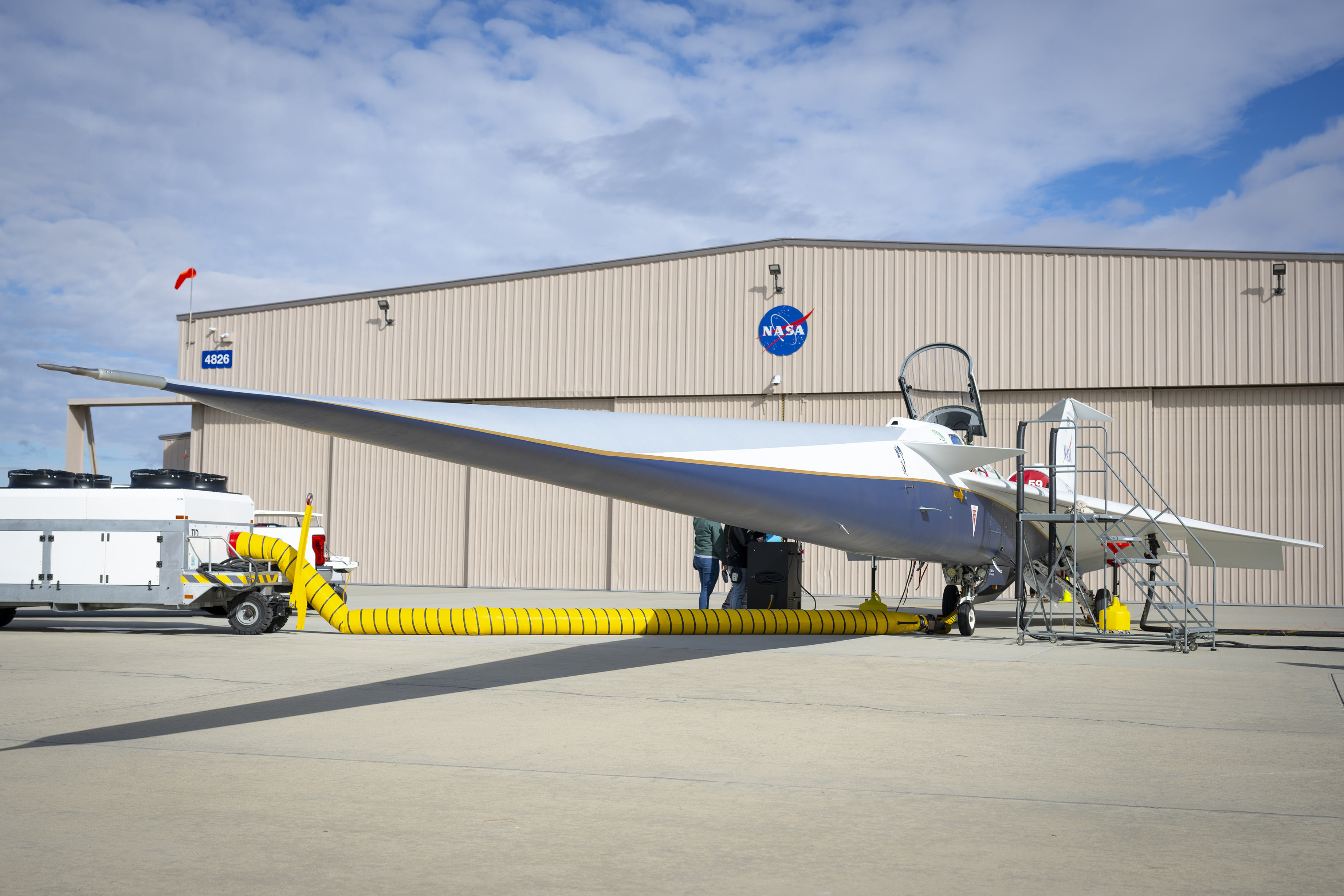
NASA's X-59 quiet supersonic aircraft has moved into its newly renovated hangar at the Armstrong Flight Research Center in California, marking a milestone for the Quesst mission. The facility, originally built in 1968, underwent extensive modernization to support the advanced X-plane. The upgrade included new safety systems, office space, and a custom epoxy-coated floor. The X-59, designed to turn loud sonic booms into soft thumps, is now conducting regular test flights from its new home.
- ▪The X-59 hangar, designated Building 4826, was originally constructed in 1968 and has hosted multiple historic research aircraft programs.
- ▪Renovation work included new electrical systems, fire suppression, air conditioning, and a 32,000-square-foot epoxy-coated floor to contain fluid spills.
- ▪The X-59 made its first flight on October 28, 2025, from Palmdale to NASA Armstrong, where it is now based.
- ▪The Quesst mission aims to enable commercial supersonic flight over land by reducing sonic boom noise to a gentle 'sonic thump'.
- ▪Supply chain delays due to the pandemic posed challenges during the hangar’s modernization process.
Opening excerpt (first ~120 words) tap to expand
4 min readThere’s No Place Like NASA’s New X-59 Hangar Home Jim BankeManaging Editor/Senior WriterApr 28, 2026 Article Contents Home hunting Moved in NASA’s X-59 quiet supersonic airplane sits parked in front of its new hangar home at the agency’s Armstrong Flight Research Center in California. The facility originally was constructed in 1968 and for nearly 60 years has hosted a number of research aircraft and programs. NASA/Christopher LC Clark There’s no sign reading “home sweet home” in the hangar where the X‑59 now sits, but the sentiment is unmistakable among those tending to the quiet supersonic aircraft. Located at NASA’s Armstrong Flight Research Center in Edwards, California, the X-59 hangar was built in 1968 but looks like new thanks to a full renovation and modernization.
…
Excerpt limited to ~120 words for fair-use compliance. The full article is at NASA.
Discussion
0 commentsMore from NASA