The Shooting Is Not a Reason to Speedrun Trump’s Ballroom
Following an attempted shooting at the White House Correspondents’ Dinner, President Trump and allies argued the incident underscores the need to expedite construction of a White House ballroom, despite the event being held off-site and the project facing legal and procedural challenges. Critics contend the ballroom is unrelated to the shooting and should not bypass regulations or environmental reviews. The administration’s push to dismiss a federal lawsuit over the construction has drawn scrutiny, especially given past judicial rebukes over procedural violations. The article argues that government processes exist for good reason and should not be circumvented, even in the wake of violence.
Full article excerpt tap to expand
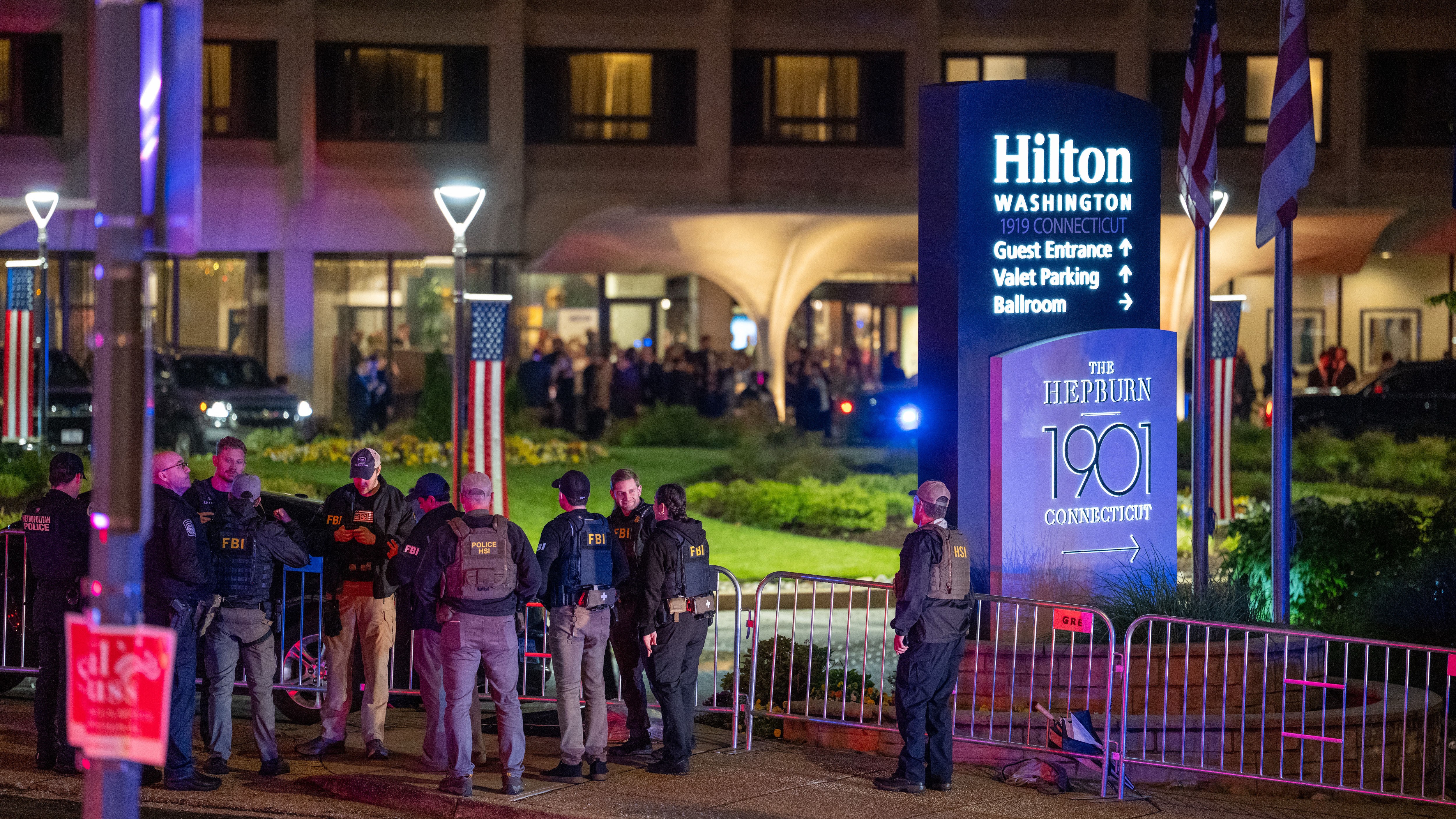
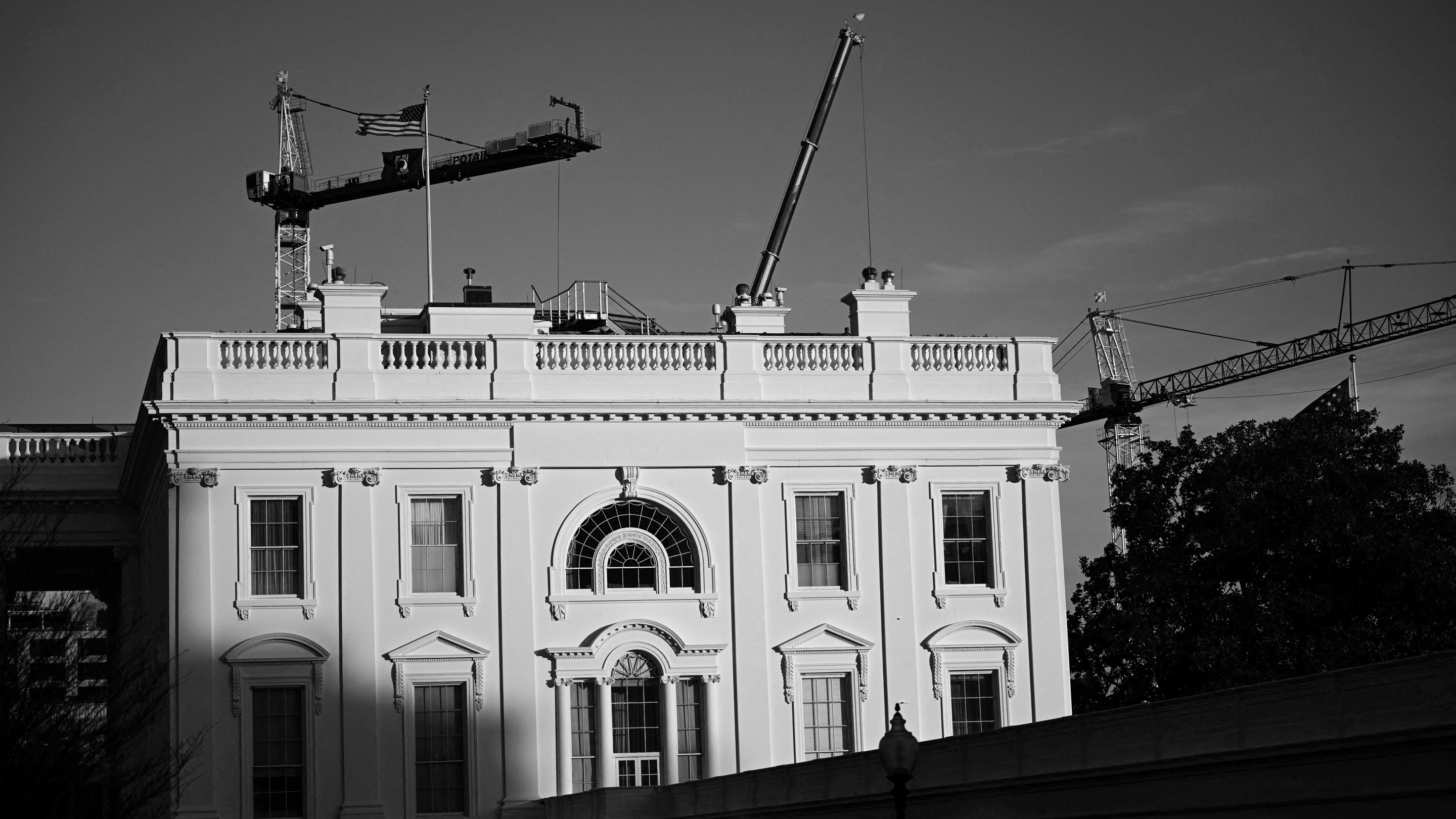
The Atlantic DailyThe Shooting Is Not a Reason to Speedrun Trump’s BallroomThe safe outcome on Saturday makes the case for deliberation and care.By David A. GrahamBrendan Smialowski / AFP / GettyApril 27, 2026, 5:27 PM ET ShareSave This is an edition of The Atlantic Daily, a newsletter that guides you through the biggest stories of the day, helps you discover new ideas, and recommends the best in culture. Sign up for it here.Within hours after an attempted shooting at the White House Correspondents’ Dinner on Saturday, President Trump declared that the incident showed the need to build a ballroom at the White House without delay. “We need the ballroom,” he told reporters in a press conference. Yesterday morning, he reiterated the argument on Truth Social, adding, “Nothing should be allowed to interfere with with [sic] its construction, which is on budget and substantially ahead of schedule!!!”Many allies leaped to agree. The commentator Meghan McCain wrote on X, “I don’t want to hear one more fucking criticism of Trump’s new ballroom at the White House.” Senator John Fetterman of Pennsylvania, a titular Democrat, cited “Trump Derangement Syndrome” to say, “After witnessing last night, drop the TDS and build the White House ballroom for events exactly like these.” And Acting Attorney General Todd Blanche fired off a letter to the attorney for the plaintiff in a federal lawsuit challenging the construction, saying that the Justice Department would move to dismiss the case if it wasn’t dropped by 9 a.m. this morning. (It was not.)None of this makes any sense. A ballroom at the White House is not a solution to violence at an outside event hosted by the press. Moreover, if the ballroom is worth building, it is worth building the right way—and the administration shouldn’t have any trouble doing so. If anything, the safe outcome of the chaotic events Saturday show why following process and procedure is so essential in government.Trump has long been interested in a White House ballroom—the Obama adviser David Axelrod has recounted gently rebuffing Trump’s offer to build one in 2010—but last fall, he abruptly demolished the existing East Wing of the White House, having promised not to “interfere with the current building.” He then began construction of an enormous ballroom, funded with private donations. The National Trust for Historic Preservation sued, arguing that Trump had failed to file correct plans and environmental assessments, and that he was usurping Congress’s authority over the White House grounds and federal property. (Indeed, a New York Times analysis found architectural flaws such as staircases that don’t lead anywhere.) So far, to Trump’s dismay, the plaintiff has won some victories; a federal judge repeatedly scolded government lawyers and halted work. Earlier this month, however, an appeals court allowed construction to proceed for now.The idea that a White House ballroom would have prevented the frightening event doesn’t really add up. Saturday’s dinner was organized by the White House Correspondents’ Association, an independent group that represents reporters who cover the presidency, not by the White House—and Trump was a guest, not the host. For the annual dinner to occur at the White House itself would be a huge—okay, an even huger—embarrassment and conflict of interest. And that would be true even during a typical presidency, to say nothing of one that has systematically attacked the freedom of the press, sought to…
This excerpt is published under fair use for community discussion. Read the full article at The Atlantic.